Blood pressure Holter monitor: how it works and what it is for
A blood pressure Holter, that is, blood pressure monitoring, is essential for studying the course of blood pressure.
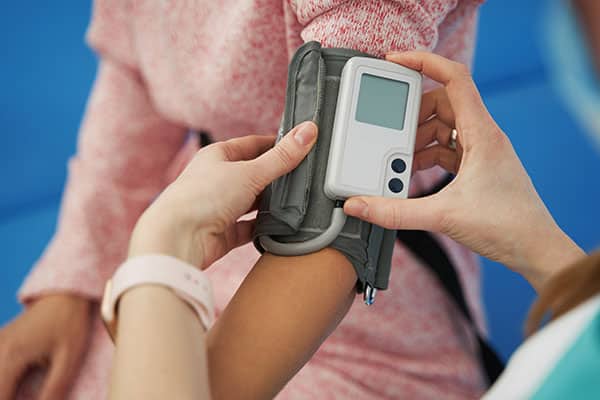
A blood pressure Holter, that is, blood pressure monitoring, is essential for studying the trends and peaks of blood pressure. The monitoring is done on an outpatient basis, meaning without a hospital stay. Over the course of 24 hours (although longer monitoring may also be requested), you need to keep to your normal daily routine so that the variations can be analyzed more accurately.
Blood pressure Holter: what it involves
Monitoring with a blood pressure Holter involves a band fastened around the patient’s arm, with a cuff connected to a recording device. This device can be worn on the belt or in a clothing pocket, allowing the patient to carry on with their normal daily activities. In essence, it is a blood pressure monitor that stays switched on around the patient’s arm.
The data recorded with a blood pressure Holter
The monitor measures blood pressure at preset intervals over the 24 hours. Readings are usually taken every 15-30 minutes during the day and every 30-60 minutes during the night. The data collected are then analyzed by the doctor. The results are essential for assessing the presence of hypertension. If it is present, the doctor will set up a protocol with drug treatment but at the same time will request specific tests to understand the origin of the high blood pressure.
Why the blood pressure Holter method is used
Monitoring with a blood pressure Holter provides detailed information on the course of blood pressure and all its daytime and nighttime fluctuations. It serves to obtain more in-depth results than isolated measurements. More accurate data allow the doctor to implement targeted treatment, including choosing the most suitable drugs.
The importance of monitoring
Using a blood pressure Holter is essential in the fight against high blood pressure. When a person has hypertension, the pressure of the blood against the artery walls is constantly elevated. This condition can cause damage to the blood vessels and to the body’s internal organs. The heart, the kidneys and the brain are particularly at risk. Several factors can contribute to hypertension, including genetic predisposition, a sedentary lifestyle, excess weight, alcohol and salt consumption, smoking and stress.
How to keep hypertension under control
To control high blood pressure it is important to adopt a healthy lifestyle. Following a balanced diet, exercising regularly, keeping body weight under control and reducing stress are the first tools available to the patient. In the more serious cases of hypertension, the doctor may also prescribe drugs to lower blood pressure.
Natural methods to fight hypertension
It is important to monitor blood pressure regularly and to keep an open dialogue with your doctor in order to identify and treat hypertension promptly. These can also be put into practice before resorting to a blood pressure Holter. There are several natural methods that can help lower high blood pressure.
- Exercise. Regular exercise can help lower blood pressure. It is recommended to do at least 30 minutes of moderate aerobic activity, such as walking, running or swimming, at least 5 days a week.
- Balanced diet. A balanced diet rich in fruit, vegetables, whole grains, fish and lean protein can help lower blood pressure. It is recommended to limit salt and foods high in saturated fat and cholesterol.
- Stress reduction. Stress can raise blood pressure. Some stress management techniques, such as meditation, yoga and deep breathing, can help lower blood pressure.
- Weight control. Excess weight can raise blood pressure. Maintaining a healthy weight through a balanced diet and regular exercise can help lower blood pressure.
- Reducing alcohol consumption. Excessive alcohol consumption can raise blood pressure. It is recommended to limit alcohol to one or two drinks a day.
- Natural supplements. Some natural supplements, such as olive leaf extract, garlic, coenzyme Q10 and probiotics, can help lower blood pressure. However, it is important to consult your doctor before taking any supplement.
Blood pressure Holter at NefroCenter
A blood pressure Holter test can be done at the NefroCenter Group centers. Our specialists at Nefrocenter Cardio will analyze the accurate monitoring data and determine the most appropriate therapy for the patient.