Muscle cramps in summer
Understanding why heat causes muscle cramps is the first step to preventing them and protecting your muscles and overall health
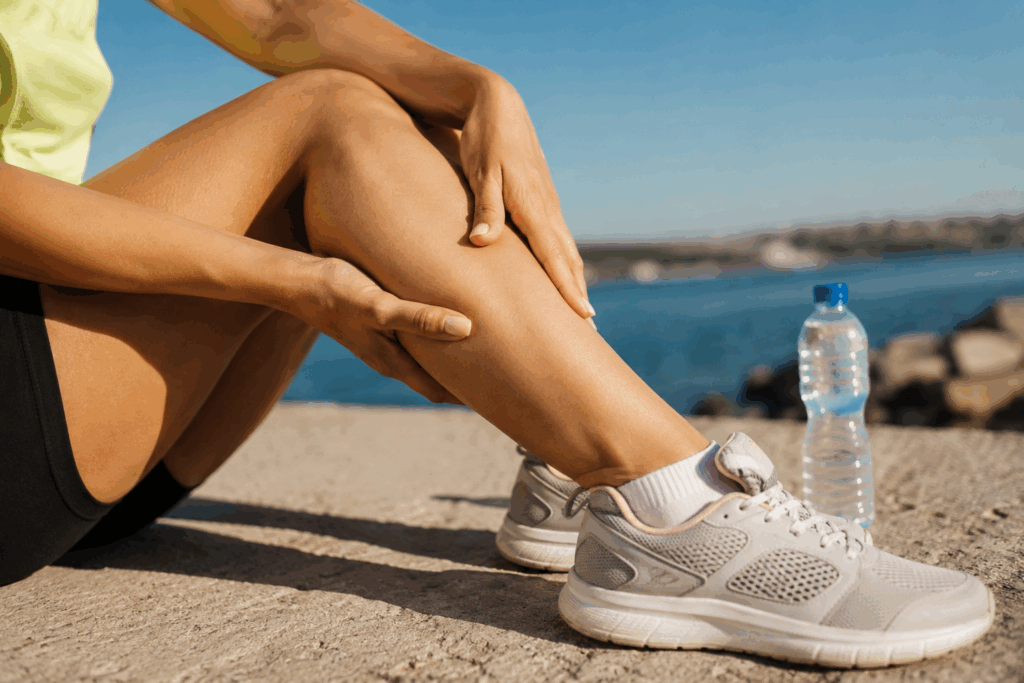
Understanding why heat causes muscle cramps is the first step to preventing them and protecting not only your muscles, but also the overall health of your body, including your kidneys. Follow the guide and tips from the NefroCenter group.
Muscle cramps in summer: why heat causes them and how to prevent them
A walk in the sun, a run along the seafront, a game of five-a-side soccer, or simply a particularly sultry night. In summer, muscle cramps are a very common problem and can affect anyone, even people in perfect health.
In most cases they come on suddenly, with an intense, painful contraction of the muscle that can last from a few seconds to several minutes. The legs, especially the calves, are the most common sites, but cramps can also affect the feet, thighs, hands and abdomen.
Heat, however, is not the only culprit. Behind this problem there may be dehydration, loss of minerals, intense physical activity, certain chronic conditions or the use of certain medications.
Why heat promotes muscle cramps
When the outside temperature rises, our body activates one of its main defense mechanisms against overheating: sweating.
Through sweat we lose water, but also important electrolytes such as sodium, potassium and magnesium. If these losses are not replaced, the balance between fluids and minerals can be disrupted, promoting the onset of muscle cramps.
In addition, dehydration reduces the volume of circulating fluids, making it harder for the muscles and nervous system to work properly. The kidneys are also put under strain, because they have to work with less water available to keep the body in balance.
Leg cramps in hot weather: why do they mostly affect the calves?
Leg cramps in hot weather are the most common form of this problem.
The calf muscles work constantly during walking, running and maintaining posture. When fluid loss is significant or physical activity is done during the hottest hours of the day, these muscles become particularly vulnerable.
Standing for many hours, walking on sand or playing sports without adequate preparation can also increase the risk.
Nocturnal muscle cramps in summer: why do they appear during sleep?
Many people report being suddenly woken by severe pain in the calf or foot.
Summer night cramps can be promoted by several factors:
- heavy sweating during the day;
- not drinking enough fluids;
- loss of electrolytes;
- muscle fatigue;
- spending long periods in very hot environments.
In older adults the problem is even more common, because the sense of thirst tends to decrease with age and dehydration can set in more easily.
Cramps and dehydration: a link not to be underestimated
Among all the causes, dehydration is one of the most important.
When the body loses more fluid than it takes in:
- the blood becomes more concentrated;
- the supply of oxygen to the muscles decreases;
- the electrolyte balance is disrupted;
- the excitability of the muscle fibers increases.
The result can be the sudden onset of painful contractions.
Dehydration is also a risk factor for kidney health, increasing the likelihood of kidney stones and, in more severe cases, acute kidney injury.
Potassium and magnesium: do they really play a role?
When it comes to cramps, the mind goes straight to potassium and magnesium.
In reality the situation is more complex.
These minerals take part in the proper functioning of the muscles and nervous system, but not all cramps are necessarily due to a deficiency of them.
Potassium
Potassium is essential for the transmission of nerve impulses and for muscle contraction. A significant drop in its levels can promote muscle weakness and changes in neuromuscular function. However, in patients with chronic kidney disease, too much potassium can be dangerous and should not be corrected on your own with supplements.
Magnesium
Magnesium also contributes to normal muscle function and takes part in hundreds of metabolic reactions. A balanced diet is generally enough to meet your needs. Supplements should be taken only when indicated by your doctor.
What to eat to prevent muscle cramps in summer
Prevention also comes through diet.
During the summer it is advisable to favor foods rich in water and minerals, such as:
- watermelon;
- melon;
- apricots;
- peaches;
- cucumbers;
- zucchini;
- tomatoes;
- leafy green vegetables.
Legumes, nuts and whole grains also contribute to magnesium intake.
However, people with kidney failure should not change their diet on their own, because some foods that are very rich in potassium may not be suitable.
How to prevent muscle cramps with proper hydration
The most effective way to reduce the risk of cramps is to stay well hydrated throughout the day.
Specialists recommend:
- drinking regularly without waiting until you feel thirsty;
- increasing your fluid intake during physical activity and on particularly hot days;
- avoiding excess alcohol;
- limiting very sugary drinks;
- replacing lost fluids with water and a balanced diet.
For most people, water is the best drink.
When cramps may point to a more serious problem
In most cases, summer cramps are harmless and go away on their own.
You should see your doctor when they:
- are very frequent;
- also occur at rest;
- always affect the same limb;
- come with swelling or redness;
- are accompanied by persistent weakness;
- do not improve despite proper hydration.
In some situations they may in fact be a sign of neurological, vascular, metabolic or kidney conditions that need specialist evaluation.
Advice from NefroCenter specialists
Muscle cramps in summer are often the first sign that our body is losing more fluids and minerals than it can replace.
Proper hydration, a balanced diet and the prevention of dehydration are essential to protect your muscles and kidneys, especially on the hottest days.
People with chronic kidney disease, diabetes, high blood pressure, those who take diuretics or who are on dialysis should avoid do-it-yourself potassium or magnesium supplements and always follow the instructions of their nephrologist.
Taking care of your kidneys also means preventing those small signals, like cramps, that can say a lot about the health of your whole body.
On our social channels you will find advice suited to you every day.