Cleansing your gut before summer
Learn how to cleanse your gut before summer with diet, microbiota, fiber and healthy habits. Advice from the specialists
How to cleanse your gut before summer: what really works to restore balance and well-being
How to cleanse your gut before summer: what really works to restore balance and well-being. When the warm season arrives, many people start to feel more tired, bloated and weighed down. Some blame it all on the first hot days, some think they simply overindulged during the winter, and others look for a quick fix in so-called “detox diets”. In reality, the body’s well-being often starts with an organ that is still far too underestimated: the gut.
When we talk about “cleansing the gut,” we should not imagine miracle products or extreme practices. The gut does not need to be “cleaned” in the common sense of the word. What it needs is to work in the best possible conditions, supported by a balanced diet, a healthy lifestyle and a healthy microbiota.
This is the true meaning of intestinal cleansing: promoting the proper functioning of the digestive system, improving the composition of the gut bacteria and reducing the factors that can upset their balance.
Summer is an ideal time to begin this journey. Eating more fresh fruit and vegetables, getting more outdoor physical activity and wanting to feel lighter can become the right opportunity to take care of your gut in a serious and scientifically sound way.
The gut is more than a digestive organ
For many years the gut was considered only the place where nutrients are absorbed. Today we know that its role is much broader.
The gut is home to more than one hundred trillion microorganisms: bacteria, viruses and fungi that make up the so-called gut microbiota. This microbial community performs essential functions for the whole body.
It takes part in the digestion of food, produces essential vitamins, contributes to the metabolism of sugars and fats, regulates part of the immune system and communicates constantly with the brain through the so-called gut-brain axis.
When the microbiota is in balance, the gut works efficiently and the whole body benefits. When this balance is upset, symptoms can appear that are often not immediately linked to the digestive system.
Abdominal bloating, slow digestion, constipation, recurring diarrhea, a feeling of heaviness after meals, bad breath, as well as persistent tiredness and reduced vitality can all be signs of a gut that needs more attention.
What “cleansing the gut” really means
The term “cleansing” is often used incorrectly.
There are no drinks or supplements capable of suddenly eliminating toxins from the body. Our body already has organs specialized in this task: the liver, kidneys, intestines, lungs and skin work continuously to maintain our internal balance.
When we talk about cleansing the gut, the real goal is to create the conditions in which this organ can perform its functions at its best.
It means improving intestinal transit, encouraging the growth of “good” bacteria, reducing foods that promote excessive fermentation, staying properly hydrated and supporting digestive activity without resorting to drastic practices.
It is a gradual journey, based on everyday habits rather than exceptional measures.
Signs of a gut in trouble
Intestinal problems are not always obvious. Many people live for years with minor discomforts, considering them normal.
Among the most frequent symptoms are abdominal bloating that appears especially after meals, a feeling of slow digestion, alternating constipation and diarrhea, excessive intestinal gas, a feeling of incomplete emptying of the bowels and a persistent sense of heaviness.
In some cases, signs that seem unrelated to the gut can also appear, such as chronic fatigue, difficulty concentrating or mood changes. This is because the microbiota constantly communicates with many organs, influencing metabolic and immune processes.
Of course, these symptoms should not be taken as a diagnosis. If they persist over time, it is always advisable to talk to your doctor or a gastroenterologist.
Foods that really help the microbiota
Diet is the main tool for improving gut health.
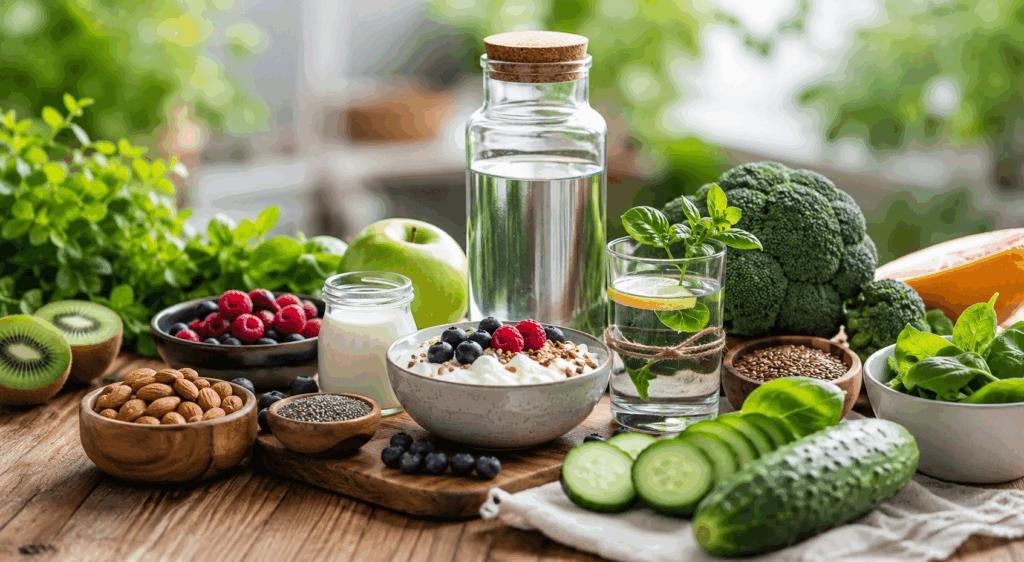
Fiber is the favorite food of beneficial bacteria. Whole grains, legumes, fruit and vegetables promote the production of short-chain fatty acids, substances that are essential for the well-being of the intestinal lining.
Fermented foods also play an important role, such as yogurt with live cultures, kefir and other products rich in beneficial microorganisms, which can help increase the diversity of the microbiota.
Seasonal fruit, rich in water and fiber, is also a valuable support for healthy intestinal transit. Apricots, peaches, plums, kiwis and berries are especially popular in the summer months.
Extra virgin olive oil, consumed in the right amounts, also helps maintain good digestive function.
Foods that can upset intestinal balance
Just as there are helpful foods, there are others that, if eaten in excess, can alter the microbiota.
A diet rich in simple sugars, sugary drinks, ultra-processed products and saturated fats can change the composition of the gut flora and promote inflammation.
Alcohol abuse is also a factor that can compromise the integrity of the intestinal barrier.
This does not mean eliminating these foods completely, but learning to include them only occasionally within an overall balanced way of eating.
Drinking water is one of the most important ways to cleanse the gut
With the arrival of summer, fluid loss through sweating increases.
Proper hydration is essential for the gut as well. Water helps keep stools soft, makes intestinal transit easier and supports many metabolic processes.
Drinking too little can promote constipation and make the feeling of bloating worse.
For most people, it is advisable to spread water intake throughout the day, increasing the amount in the hottest periods or during physical activity.
Exercise is an ally of the gut
Physical activity also has a direct effect on intestinal function.
Walking, cycling, swimming or simply staying active promotes gut motility and contributes to the well-being of the microbiota.
Intense workouts are not necessary: even thirty minutes of walking a day can be a valuable help.
NefroCenter focus
Gut microbiota and kidney health: a link that is increasingly studied
In recent years, numerous studies have shown that the gut microbiota can also influence kidney health.
When the gut flora loses its balance, inflammatory substances and metabolites can increase and, over time, may contribute to worsening some chronic conditions.
For this reason, gut health is now a topic of great interest in the prevention and management of chronic kidney disease as well. Taking care of your gut means contributing to the well-being of the whole body.
Do probiotics really work?
Probiotics can be useful in specific situations, but they are not a universal solution.
Their effectiveness depends on the strain used, the duration of treatment and the characteristics of the person.
For this reason, it is always advisable to avoid “do-it-yourself” approaches and to talk to a specialist, especially if you have persistent symptoms.
No passing fads
Cleansing the gut does not mean following passing fads or relying on miracle remedies. It means building, every day, a lifestyle that supports the proper functioning of the microbiota and the digestive system.
Summer can be the ideal time to begin this journey: a fiber-rich diet, proper hydration, daily exercise and specialist checkups when needed are the foundations of a healthy gut.
Taking care of your gut means investing in your overall well-being, your digestion, your immune system and your quality of life.
Frequently asked questions about cleansing the gut
How can I cleanse my gut naturally?
With a fiber-rich diet, adequate hydration, regular physical activity and a balanced lifestyle.
Which foods are good for the microbiota?
Vegetables, fruit, legumes, whole grains and fermented foods such as yogurt and kefir can help balance the gut flora.
When is it useful to take probiotics?
In some specific conditions, always following the advice of your doctor or specialist.
Are there real detox diets for the gut?
There is no scientific evidence in favor of miracle detox diets. The most effective approach is to improve your diet and lifestyle on a lasting basis.
Does heat affect the gut?
Yes. High temperatures can change eating habits and increase the risk of dehydration, making it even more important to take care of your gut health during the summer.