FIT: the new method for the fecal occult blood test
FIT: the new method for the fecal occult blood test. Among the most important checks for prevention
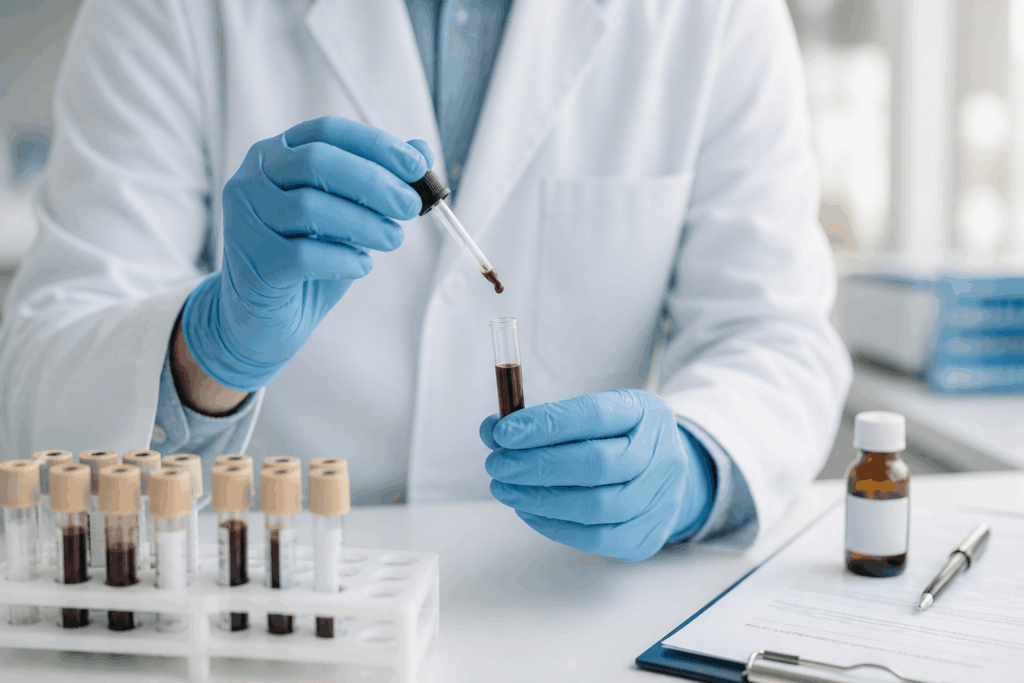
FIT: the new method for the fecal occult blood test. Among the most important checks for prevention, especially after a certain age or in the presence of risk factors, is colorectal cancer screening. In this context, the FIT (Fecal Immunochemical Test) is today the most modern, accurate and reliable method for detecting the presence of occult (hidden) blood in the stool. It is a simple, non-invasive and easy-to-perform test, but with significant clinical value: it makes it possible to detect any abnormalities early, even in the absence of obvious symptoms.
What FIT is and why it differs from the traditional test
FIT is an immunochemical test that detects the presence of human hemoglobin in the stool. Unlike older tests, it does not rely on generic chemical reactions, but uses specific antibodies able to recognize only blood coming from the lower intestinal tract. This feature makes it more accurate and reduces the risk of false positives related to diet or other irrelevant conditions.
The main differences from the old test
- It does not require dietary restrictions before the test
- It is more specific for blood of intestinal origin
- It has greater sensitivity in early detection
- It reduces false positives and improves diagnostic reliability
What the FIT test is for
The FIT test is mainly used as a screening tool for the prevention of colorectal cancer, one of the most common diseases but also among the most preventable if detected at an early stage.
The presence of occult blood in the stool can be the first sign of:
- intestinal polyps
- inflammation of the colon
- lesions of the intestinal lining
- early-stage cancers
It is important to stress that a positive result does not automatically equal a diagnosis of cancer, but indicates the need for further investigation, such as a colonoscopy.
When it is recommended to have the FIT
Preventive medicine guidelines suggest taking the FIT test regularly, especially starting at age 50, even in the absence of symptoms.
However, it may be indicated even earlier in the presence of:
- a family history of colorectal cancer
- persistent intestinal problems
- changes in bowel habits
- anemia of unclear origin
Prevention, in this case, is not tied to the presence of a problem, but to the possibility of catching it before it appears.
How the FIT test is done
One of the main advantages of the FIT is its simplicity. The test can be done conveniently, following a few instructions:
- A kit for collecting the sample is provided
- The stool sample is collected quickly and hygienically
- The sample is delivered for analysis to the specialized center
No special preparation is required, nor changes to the diet or stopping medications, unless your doctor advises otherwise.
Reliability of the test
The FIT is today considered one of the most effective tools for first-level screening.
Its strengths
- High sensitivity for intestinal bleeding
- Greater specificity than traditional tests
- Ease of performance
- Good acceptance by patients
For this reason, the FIT is part of a broader diagnostic pathway, which is defined on the basis of the result and the patient’s clinical picture.
The role of FIT in modern prevention
In recent years, medicine has paid ever greater attention to prevention and early diagnosis. In this scenario, the FIT is a fundamental tool because it makes it possible to catch early signs in a simple and accessible way.
Including this test in periodic screening programs means:
- increasing the chances of early diagnosis
- reducing the need for invasive procedures
- improving quality of life in the long term
Within the prevention pathways of the NefroCenter Group, the FIT fits into a broader vision of health, which also includes the early diagnosis of metabolic and systemic diseases.
When to turn to a specialized center
Taking the test is the first step, but it is just as important to rely on facilities able to guarantee:
- accurate laboratory analyses
- fast reporting times
- the possibility of further diagnostic investigation
- specialist support
If the result is positive or if there are clinical doubts, the doctor can indicate the most appropriate pathway, avoiding misinterpretation or unnecessary alarm.
Where to have the FIT test
The FIT test for occult blood in the stool is available at the facilities of the NefroCenter Group, where you can access complete and integrated prevention pathways.
At the Casa di Cura Santa Rita it is possible to have the test with specialist support and a dedicated laboratory:
https://www.clinicasantarita.it