Meningitis outbreak in London: how it spreads
Meningitis is a disease that affects the protective membranes of the brain and spinal cord. In 2026 an outbreak in London
What is meningitis?
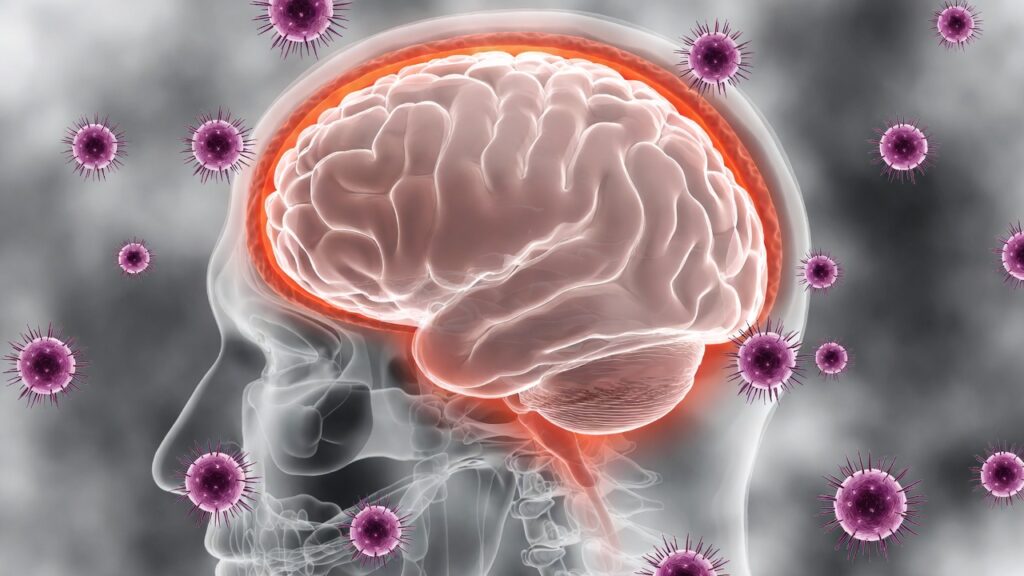
Meningitis is inflammation of the meninges, the three membranes that wrap around the brain and spinal cord like a protective bag. It can be caused by viruses, bacteria, fungi or even medications, but the most dangerous form is bacterial (meningococcal) meningitis.
Imagine the brain as a precious computer: the meninges are its case. When bacteria get in, they cause very rapid swelling that can damage the brain within hours. In the current outbreak the cause is Neisseria meningitidis group B (MenB), a bacterium that lives in the nose and throat of many people without making them ill (healthy carriers).
Types of meningitis: not all the same
- Bacterial meningitis (the most serious): MenB, MenC, pneumococcus, Haemophilus. In the United Kingdom MenB is the most common type in young people. Mortality 10%, after-effects in 20%.
- Viral meningitis: milder, often caused by enteroviruses. It clears up on its own in 7-10 days.
- Fungal or parasitic meningitis: rare, affects people with weakened immune systems.
- Septic meningitis (meningococcemia): the bacterium enters the blood and causes shock. It can occur without brain symptoms.
In the London/Kent outbreak it is almost exclusively invasive bacterial MenB, with very rapid progression.
How meningitis spreads: the exact mechanism
Meningitis does not spread like the flu (being in the same room is not enough). It is transmitted through:
- Respiratory droplets (coughing, sneezing, deep kissing).
- Sharing glasses, utensils, cigarettes, lipsticks.
- Prolonged close contact (living together, dorms, parties).
The bacterium lives in the nose and throat of 1 person in 10 without symptoms. In crowded situations (nightclubs, campuses) it passes easily.
In the current outbreak:
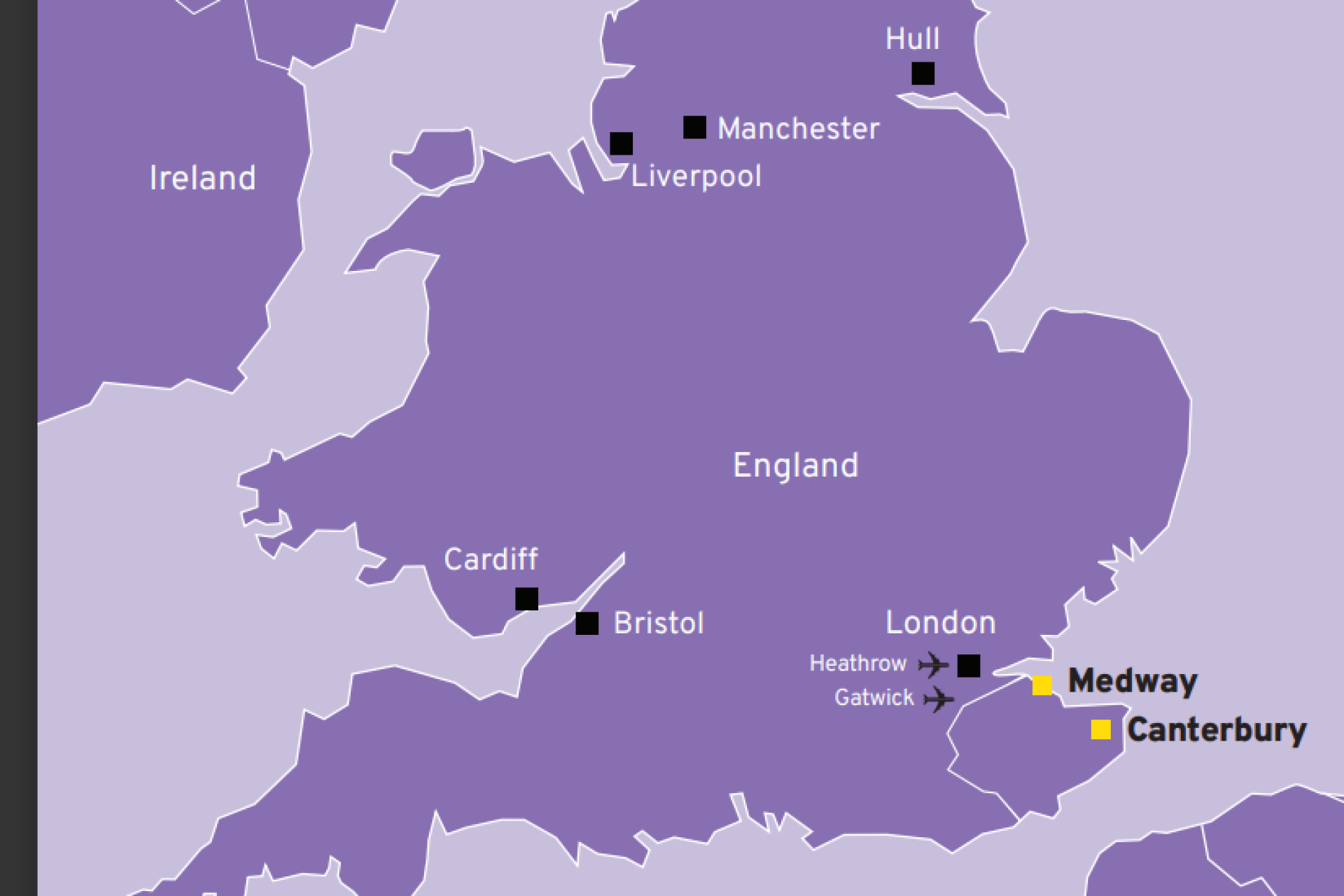
- At least 10 cases had been to Club Chemistry in Canterbury between March 5 and 7, 2026.
- It then spread to the University of Kent campus and to 4 high schools.
- One “exported” case in London: a Kent student admitted to a London hospital with no local contacts.
It is not a national epidemic: the risk is low for people with no ties to Canterbury. But students returning home for Easter could carry the bacterium.
Meningitis outbreak in London and Kent: timeline and updated numbers
- March 5-7: initial cases at Club Chemistry.
- March 13: first 13 reported.
- March 17: 20 cases in total (9 confirmed, 6 MenB), 2 deaths (a 21-year-old university student, an 18-year-old high school girl).
- March 18: more than 2,500 doses of antibiotics distributed; MenB vaccination started for 5,000 students on the Canterbury campus.
- One case in London directly linked.
The authorities have contacted 30,000 people (students, family members, club staff). Prime Minister Keir Starmer publicly urged: “Anyone who has been to the club should come forward for antibiotics”.

Symptoms of meningitis: recognizing them in 5 minutes
Symptoms come on suddenly, often at night. You do not need to have all of them: 2-3 are enough to be concerned.
Classic signs (adults and young people):
- Sudden high fever
- Severe headache
- Vomiting
- Stiff neck (you cannot touch your chin to your chest)
- Photophobia (discomfort in bright light)
- Drowsiness or confusion
- Petechial rash (red or purple spots that do not fade when you press a glass against them)
The glass test – essential:

In newborns: bulging fontanelle, inconsolable crying, refusing food.
Diagnosis and treatment: what happens in the hospital
In the hospital:
- They collect cerebrospinal fluid (lumbar puncture) and blood.
- Immediate intravenous antibiotics (ceftriaxone or similar).
- Intensive care if there is septicemia.
- Duration: at least 7 days.
Complete recovery is possible if treated within 24 hours. But 1 in 10 dies, and 1 in 5 has permanent damage.
Prevention: vaccines and practical measures
Vaccines available in the United Kingdom (and recommended in Italy):
- MenB (Bexsero): for children and now offered on a targeted basis to Kent students.
- MenACWY: for teenagers and university “freshers”.
- 6-in-1 and pneumococcal: routine pediatric vaccines.
In the outbreak, MenB vaccination has begun for the campus students. The MenB vaccine does not cover every strain 100%, but it greatly reduces the risk.
Personal measures:
- Do not share personal items.
- Wash your hands often.
- Avoid kissing strangers in risky situations (crowded nightclubs).
- If you were at Club Chemistry on March 5-7 or live on the campus: go and get preventive antibiotics (single-dose ciprofloxacin). Free and available.
What to do if you suspect meningitis (practical guide)
- Call 999 (UK) or 112 (Italy) immediately.
- Do not wait for the rash.
- Tell the doctor: “I suspect bacterial meningitis”.
- If you are a close contact: take preventive antibiotics within 24 hours.
- Check on friends/students who sleep in the same housing.
For people in Italy or traveling: the risk is very low if you have no direct contact. But if you have children who are students or you are returning from Kent, consult your general practitioner (GP). Italy’s Ministry of Health is monitoring the situation (no specific alarm at the moment).
Statistics and impact: why it is “unprecedented”
In the UK there are normally 500-600 invasive cases a year. This outbreak has 20 cases in 5 days in a single area: never seen before. It mainly affects people aged 16-30 (students). Health Secretary Wes Streeting: “Unprecedented situation”.
Frequently asked questions (FAQ)
Is meningitis contagious at school or on a plane? Only with very close contact. There is no need to close schools unless cases are confirmed.
Can I get the vaccine in Italy before leaving for London? Yes, ask your pediatrician or local health authority (ASL) (MenB and MenACWY are available for a fee or through campaigns).
Is the rash always present? No, only in 50-70% of cases of septicemia.
Are preventive antibiotics harmful? Side effects are rare, but they save lives.
Is there a risk for tourists in London? Very low. London is not the epicenter: only one imported case.
Read also: Symptoms of meningitis: a complete guide to acting in time · Meningitis in Napoli: the case that is causing panic. Learn the causes, symptoms and prevention