Colon cancer: why it is affecting more and more young people
In recent years, colon cancer has gone from being seen as a disease mainly of older age to one of the new challenges of modern medicine
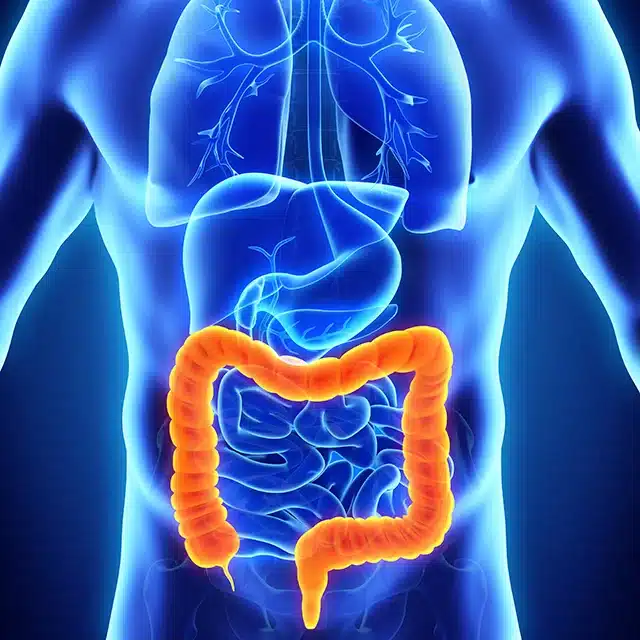
In recent years, colon cancer has gone from being seen as a disease mainly of older age to one of the new challenges of modern medicine, including among younger age groups. The most recent epidemiological data show a steady rise in cases of colorectal cancer under the age of 50, with projections of an increase of up to 80% by 2040. This change calls for serious reflection on risk factors, on prevention, and on the need to rethink the timing and strategies of screening.
Colon cancer is not a sudden disease. It is often the result of a long, silent process that develops over time from changes that are initially benign. This very feature makes prevention and early diagnosis key tools, today more than ever, for reducing the impact of the disease on public health.
What colon cancer is and how it develops
Colon cancer is a tumor that originates from the lining of the large intestine, in particular the colon or the rectum. In most cases it develops from adenomatous polyps, small growths on the intestinal wall that, over time, can undergo malignant transformation.
This process is not immediate. The progression from a benign polyp to a cancer can take years, sometimes decades. During this period, the disease can remain completely free of symptoms, making a diagnosis based on symptoms alone difficult. This window of time is precisely the most important opportunity for cancer prevention.
Colon cancer at a young age: a growing phenomenon
Traditionally, colon cancer was diagnosed mostly after the age of 60. Today, however, a significant increase in cases is seen between the ages of 30 and 50, and in some cases even earlier. This phenomenon, known as early-onset colon cancer, is drawing the attention of the international scientific community.
Epidemiological projections indicate that, if the current trend is not reversed, colon cancer will become one of the leading causes of cancer mortality in the younger age groups. This fact radically changes the way this disease is understood and calls for a rethink of prevention strategies.
The possible causes of the rise in colon cancer in young people
The causes of this increase are not yet fully understood, but scientific research has identified a series of factors that, in combination, may promote carcinogenesis at an early age.
Modern diet and ultra-processed foods
One of the most studied factors is the change in eating habits. A high consumption of ultra-processed foods, rich in saturated fats, refined sugars, additives and preservatives, is associated with an increased risk of colon cancer. These foods, increasingly present in young people’s diets, have a negative effect on metabolism, the gut microbiota and inflammatory processes.
Gut microbiota and chronic inflammation
The intestine is home to billions of bacteria that play a fundamental role in the body’s health. Changes in the microbiota, known as dysbiosis, can promote a state of chronic low-grade inflammation, creating an environment that favors the development of precancerous lesions.
Particular attention is being paid to certain genotoxic bacterial toxins, produced by specific strains of intestinal bacteria, which can damage the DNA of colon cells and promote cancerous transformation.
Obesity, a sedentary lifestyle and diabetes
Obesity and being overweight are well-established risk factors for colon cancer. Excess fat tissue is associated with a state of chronic inflammation and with hormonal changes that can stimulate cell proliferation. A sedentary lifestyle and diabetes also contribute to this picture, further increasing the risk of cancer.
Environmental exposure and microplastics
In recent years, a new line of research has opened up on exposure to microplastics and nanoplastics, present in water, in food and in the environment. Although their role in carcinogenesis is not yet fully defined, scientific interest is growing in the possible impact of these substances on the intestine and the immune system.
The symptoms of colon cancer: when the body sends signals
One of the most insidious aspects of colon cancer is its ability to stay silent in the early stages. When symptoms appear, the disease is often already at an advanced stage. However, there are signs that should never be underestimated, especially in young people.
Among the most common symptoms are persistent changes in bowel habits, such as diarrhea or prolonged constipation, blood in the stool, unexplained anemia, recurring abdominal pain, unintentional weight loss and a persistent feeling of tiredness. Even disorders that seem trivial deserve a thorough evaluation if they last over time.
Preventing colon cancer: the central role of screening
Prevention is the most effective weapon against colon cancer. Identifying and removing polyps before they become malignant makes it possible to interrupt the process of carcinogenesis.
Traditional screening and new perspectives
Screening programs for colorectal cancer are based mainly on testing for occult blood in the stool and on colonoscopy. These tools have been shown to significantly reduce both the incidence and the mortality of the disease.
In light of the rise in cases at a young age, there is increasing discussion of whether to lower the age at which screening starts, especially for people with risk factors or a family history of colon cancer.
Early diagnosis and personalized care pathways
Early diagnosis of colon cancer is not only a matter of survival, but also of quality of life. Tumors detected at an early stage can be treated with less invasive procedures and with a greater chance of complete recovery. Digestive endoscopy, which can be performed at the NefroCenter Group facilities, detects the warning signs early.
Modern medicine is moving toward increasingly personalized pathways, which integrate clinical, diagnostic and biological data to define the most appropriate strategy for each patient. This approach avoids unnecessary treatments and focuses resources where they are really needed.
The value of integrated prevention
Colon cancer cannot be tackled with a single strategy. It is the result of a complex interaction between genetic, environmental and behavioral factors. For this reason, prevention must be integrated and continuous, starting with nutrition education and lifestyle, moving through regular checkups, and ending with early diagnosis.
In this context, the NefroCenter Group promotes a culture of prevention based on access to diagnostic tests, on raising public awareness and on structured care pathways, with the aim of catching the disease in its earliest stages.
Colon cancer and quality of life
Facing colon cancer does not only mean treating a disease, but caring for the person as a whole. Psychological, nutritional and social aspects play a fundamental role in the course of treatment and in recovery.
A multidisciplinary approach makes it possible to support the patient not only during the treatment phase but also in the period afterward, reducing the risk of recurrence and improving long-term quality of life.
Looking ahead: why acting today is essential
The rise in colon cancer among young people is not an inevitable fate, but a signal that calls for action. Changing eating habits, promoting an active lifestyle, reducing exposure to risk factors and bringing diagnosis forward are concrete actions that can change the course of the disease.
Prevention is not an abstract concept, but a daily choice that involves both the individual and the health system as a whole. Investing in prevention today means reducing the burden of colon cancer tomorrow, protecting future generations.
The NefroCenter Group’s commitment to cancer prevention
In the landscape of modern healthcare, the NefroCenter Group is committed to promoting accessible prevention programs, accurate diagnostic pathways and comprehensive, integrated care for the patient. According to the guidelines of the Italian Ministry of Health. The growing attention to colon cancer and to early-onset forms is a priority, in line with the evolution of preventive medicine and with the emerging needs of the population.
Raising awareness, providing accurate information and encouraging access to prevention tools is today the most effective way to combat one of the most widespread and most preventable cancers. Colon cancer can be faced. And, above all, it can be prevented.