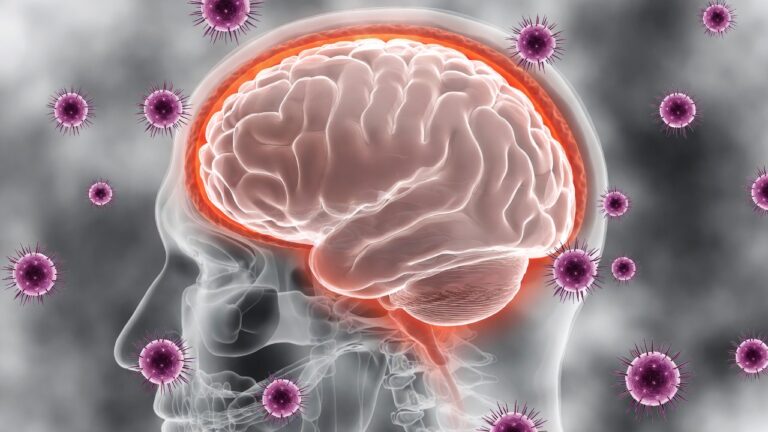
Meningitis symptoms: a complete guide to acting in time

Meningitis symptoms: a complete guide to acting in time. Meningitis is a serious disease that affects the membranes that protect the brain and the spinal cord. It can be caused by viruses, bacteria or other agents, and if it is not recognized quickly it can lead to serious problems. It is essential to understand when it is time to seek medical care, without wasting any time! Recognizing the early signs can make the difference between a full recovery and lasting complications. According to data provided by the Ministry of Health, hundreds of cases are recorded in Italy every year, and speed of intervention is key to avoiding risks.
Before going into the details, it is useful to know that meningitis is not always the same. There are different types, such as bacterial meningitis (the most dangerous and contagious), viral meningitis (often less severe) and fungal meningitis (rarer, linked to fungi). Symptoms can vary a little depending on the type, but there are common signs that help identify it. Let’s go step by step through what happens in the body when meningitis appears.
General symptoms of meningitis: the first signs are common
The symptoms of meningitis often begin in a way similar to the flu or a passing illness, but they get worse quickly. They usually appear within 2 to 10 days of exposure to the agent that causes it. Here are the main ones:
- Sudden High Fever: One of the first warning signs is a fever that rises suddenly, often above 38-39 degrees Celsius. It is not a normal cold fever; it comes with severe chills and a feeling of cold despite the heat of the body. In some cases, the temperature can even reach 40 degrees Celsius, leaving the person weak and confused.
- Severe and Persistent Headache: Imagine a headache that does not go away with the usual remedies. It is intense and throbbing, and it is often concentrated on the forehead or behind the eyes. Many people describe it as “the worst of their life.” It can get worse with light or noise, forcing you to stay in the dark and in silence.
- Stiff Neck: This is a classic sign. Try to bend your head toward your chest: if it hurts or you cannot do it at all, it could be a clue. The stiffness sometimes extends to the back, making it hard to move or sit.
- Nausea and Vomiting: This is not the usual stomachache. The vomiting is violent and unrelated to food, and it often gets worse with movement. It can lead to rapid dehydration if not controlled.
- Sensitivity to Light (Photophobia): The eyes become hypersensitive to light, even the dim light of a lamp. Affected people close the curtains and prefer dark rooms.
These general symptoms are present in almost all cases of meningitis, but their intensity varies. For example, in viral meningitis (the most common, often linked to viruses such as herpes or the flu), the signs are less aggressive and can resolve on their own in 7 to 10 days. In bacterial meningitis, on the other hand (caused by bacteria such as meningococcus or pneumococcus), everything gets worse within hours, requiring immediate hospital care.
Specific symptoms by type of meningitis
Each type of meningitis has nuances in its symptoms that help doctors diagnose it. Here is a simple overview:
- Bacterial Meningitis: The most dangerous form, contagious through droplets (sneezes, kisses). In addition to the general symptoms, it adds red or purple skin rashes (petechiae) that do not fade when pressed with a glass. It can cause mental confusion, extreme drowsiness or seizures. In severe cases, it leads to septicemia (infection in the blood), with spots on the skin that spread rapidly.
- Viral Meningitis: Less severe, it often goes away on its own with rest. The symptoms are similar to a bad flu: sore throat, cough, fatigue. But if it lasts more than a week or gets worse, it is best to get checked.
- Fungal Meningitis: Rare, it affects people with weakened immune defenses (for example after transplants or treatments). It starts slowly, with a chronic headache, a low fever and confusion. It can last for weeks before fully showing itself.
Recognizing the type is the doctors’ job, but noticing extra symptoms such as spots on the skin can speed up the diagnosis.
Meningitis symptoms by age group: how they change in children, adults and older adults
Meningitis does not affect everyone in the same way. Here is how the symptoms vary by age, a crucial aspect for parents and family members.
- In Newborns and Young Children (0-5 years): They are the most vulnerable, especially to the bacterial form. They do not say “my head hurts,” but they show irritability, continuous crying and refusal to eat. The fontanelle (the soft spot on the head) may bulge. High fever, projectile vomiting, body stiffness (stretched-out legs), excessive drowsiness. In babies, red spots on the skin are a red-flag warning sign.
- In Children and Adolescents (6-18 years): Similar to adults, but with more confusion and aggressiveness. Piercing headache, stiff neck, sensitivity to light and noise. They may have seizures or difficulty concentrating at school.
- In Adults (19-64 years): Classic symptoms: fever, headache, stiffness, nausea. Add confusion, loss of balance, temporary vision or hearing problems.
- In Older Adults (over 65): More insidious. It starts with fatigue, confusion (like sudden dementia) and a low fever. Less neck stiffness, but a higher risk of complications such as heart attack or pneumonia.
In all cases, if you suspect meningitis, call 118 (the emergency number in Italy): a delay of a few hours can be fatal.
Early symptoms and advanced symptoms: when the situation gets worse
The symptoms of meningitis evolve rapidly, especially in the bacterial form. Here is the typical progression:
- Early Stage (1-2 days): Like a bad cold – fever, mild headache, fatigue, nausea. Many people think it is a seasonal virus.
- Intermediate Stage (2-3 days): Worsening – unbearable headache, stiff neck, persistent vomiting, sensitivity to light. The skin rash often appears here.
- Advanced Stage (more than 3 days without treatment): Mental confusion, deep drowsiness, seizures, coma. In extreme cases, brain damage or death.
The advice of the Nefrocenter Group is never to wait when there is a fear that someone has been struck by meningitis.
How to Tell Meningitis Symptoms Apart from Other Common Illnesses
Many people confuse meningitis with the flu, migraine or food poisoning. Here are the key differences:
- Flu: The flu comes with cough, sore throat and sneezing. Meningitis does not, but it has a stiff neck and sensitivity to light.
- Migraine: A migraine is throbbing on one side and improves in the dark. Meningitis gets worse with light or noise and comes with a fever.
- Aseptic Meningitis (non-infectious): Caused by trauma or medications, with similar but milder symptoms and no contagion.
If you have doubts, do the “neck test”: if bending your head forward hurts, see a doctor.
Prevention and what to do if you suspect meningitis symptoms
Although the focus is on symptoms, a complete article cannot ignore prevention. Meningococcal vaccines (free for children and adolescents) reduce the risk by 90%. Avoid close contact with sick people and wash your hands often.
If you notice symptoms:
- Take your temperature and check for stiffness.
- Call a doctor or 118.
- Do not give aspirin or painkillers without medical advice.
- At the hospital: tests (lumbar puncture, blood tests) confirm it.
In Italy, the National Health Service (SSN) covers immediate care. In 2025, about 500 cases were diagnosed, with mortality below 10% thanks to rapid interventions.
Read also: Meningitis outbreak in London: how it spreads · Meningitis in Napoli: the case that triggers panic. Let’s learn about causes, symptoms and prevention