Blood sugar and the holidays: foods to avoid with diabetes
Blood sugar and the holidays: foods to avoid with diabetes. The holidays are synonymous with togetherness, laden tables.
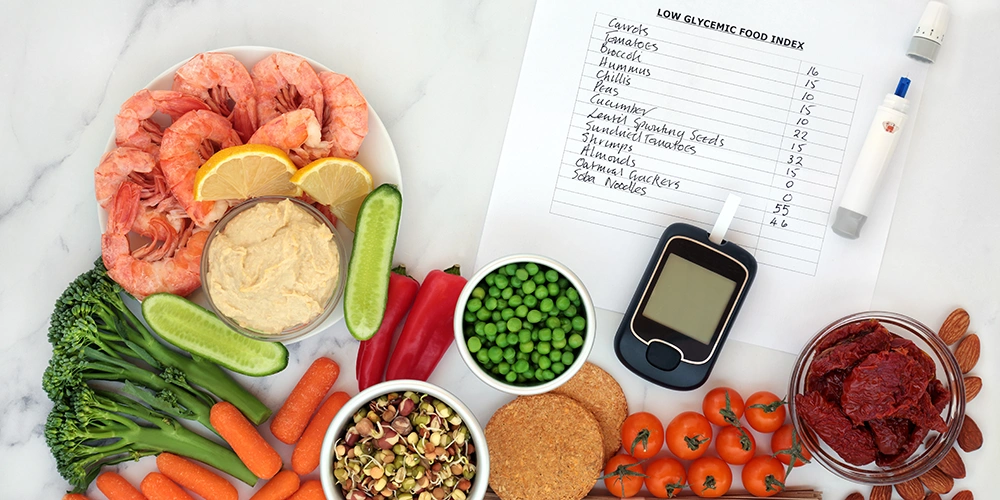
Blood sugar and the holidays: foods to avoid with diabetes. The holidays are synonymous with togetherness, tables laden with food and culinary traditions that return every year. For people living with diabetes, however, these moments can turn into a daily challenge: keeping blood sugar under control without giving up the pleasure of food entirely. The problem is not the celebration itself, but certain food choices that, if repeated or underestimated, can cause significant blood sugar spikes that are hard to manage.
Talking about blood sugar during the holidays means talking about balance, awareness and prevention. Knowing which foods to avoid or limit is the first step in protecting your health without feeling left out.
Blood sugar and the holidays: why it tends to rise
During the holiday season, daily habits change. Meals become larger, longer and often closer together. Added to this are less physical activity, alcohol consumption and a greater presence of simple sugars and fats in traditional dishes.
For a person with diabetes, this combination of factors can cause a rapid rise in postprandial blood sugar and make metabolic control more difficult. Even those who usually have well-controlled values can experience major blood sugar swings if they are not careful.
Traditional desserts: blood sugar’s main enemy
Desserts are often the symbol of the holidays. Panettone, pandoro, nougat, struffoli, cassata, tarts and spoon desserts contain high amounts of simple sugars and refined carbohydrates. These nutrients are absorbed quickly, causing a sharp rise in blood sugar.
In diabetes, especially type 2, the body struggles to handle these glycemic loads. The result is a spike that can last for hours and that, if repeated, contributes to worsening metabolic control. Even small portions, if eaten frequently or at the end of an already abundant meal, can have a significant impact.
Sugary drinks and alcohol: an often underestimated risk
The holidays also bring more occasions for toasting. Sparkling wine, liqueurs, cocktails and sugary drinks are often on the table. Alcohol, especially when combined with sugar, can change blood sugar in unpredictable ways.
Some alcoholic drinks can initially lower blood sugar and then cause a delayed rise. Sweet liqueurs and sugary cocktails, on the other hand, directly raise blood sugar values. Soft drinks, commercial fruit juices and flavored beverages also contain hidden sugars that negatively affect diabetes control.
Blood sugar and the holidays: White bread, pizza and refined baked goods to keep in check
Another group of foods to keep in check during the holidays is refined carbohydrates. White bread, focaccia, pizza, savory pastries, canapés and baked goods made with refined flours have a high glycemic index.
This means they are digested quickly and converted into glucose in a short time. Eating them, especially in large quantities or together with other carbohydrates, promotes a rapid rise in blood sugar. These foods are often eaten as appetizers or snacks, further increasing the overall glycemic load of the day.
Dishes rich in both fat and sugar
Many typical holiday dishes combine fat and sugar, a mixture that is particularly problematic for metabolism. Creams, rich sauces, filled desserts, fried foods and heavily seasoned dishes slow down digestion but prolong the absorption of glucose.
This leads to a later but persistent rise in blood sugar, which is hard to correct even with medication. In addition, excess fat contributes to weight gain and insulin resistance, worsening the metabolic picture over the medium to long term.
Nuts and dried fruit: watch the quantities
During the holidays it is common to eat nuts and dried fruit, which are often seen as healthy foods. Almonds, walnuts and hazelnuts, if eaten in moderation, can also be included in a diabetic diet. The same cannot be said for dried figs, dates, raisins and candied fruit.
Dried fruit has a very high sugar concentration and can quickly raise blood sugar. Here too, the main risk lies in the quantities and how often it is eaten.
Blood sugar and the holidays: How to reduce the impact of holiday excesses on blood sugar
Avoiding certain foods completely is not always realistic, especially during the holidays. However, it is possible to reduce their glycemic impact by adopting a few mindful strategies. Eating the main meals in a balanced way, giving priority to vegetables and protein, limiting portions and spreading carbohydrates throughout the day helps keep blood sugar more stable.
Physical activity, such as a simple walk after meals, can also help the muscles use glucose and reduce blood sugar spikes. Monitoring blood sugar more frequently during the holidays also makes it possible to act promptly if values go out of range.
The value of prevention and awareness
The holidays should not become a time of deprivation, but of more careful choices. Knowing which foods to avoid or limit makes it possible to enjoy these moments with greater peace of mind, without compromising your health.
Controlling blood sugar is not based on absolute bans, but on balance and planning. Learning to recognize the riskiest foods and to manage them mindfully is an essential form of prevention for reducing the complications of diabetes.
In the care pathway promoted by the NefroCenter Group, nutrition education and prevention play a central role, especially during the most delicate times of the year. Approaching the holidays with greater awareness means taking care of yourself today, to protect your health over time.