What is a blastocyst: is it important for IVF success?
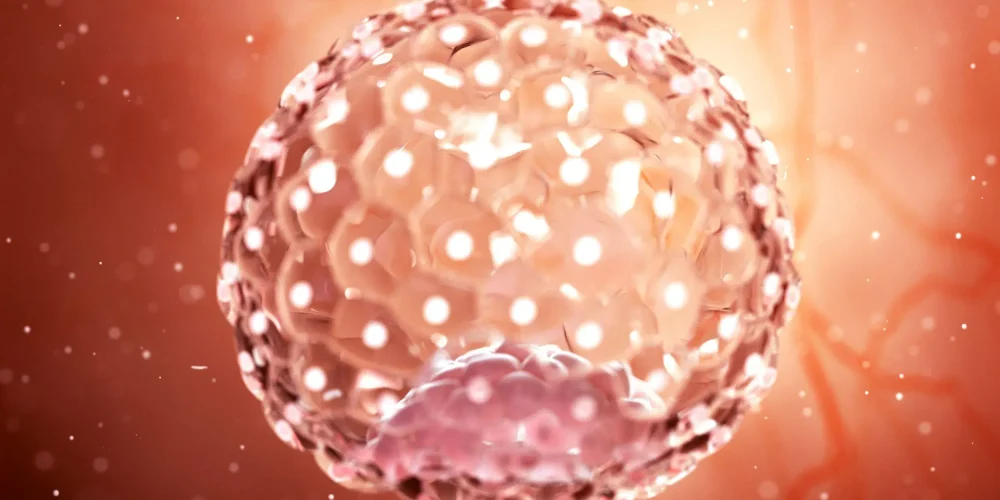
In the path of in vitro fertilization (IVF), one of the aspects to consider and clarify is the stage of development of the embryo at the time of transfer into the mother’s uterus. Among the different embryonic stages, the blastocyst is the chronologically most advanced stage of development that can be obtained in vitro, and it indicates the capacity for progressive growth.
At SISMER – NefroCenter Group, a center of excellence for reproductive medicine, culturing embryos to the blastocyst stage is an established practice, applied with competence and skill when the clinical and biological conditions make it appropriate, with full respect for the physiology and safety of patients. It is therefore not a mandatory path that, in itself, guarantees a better outcome for the whole treatment. The choice of how long to culture the embryos must be made on the basis of the entire clinical and embryological picture of that specific couple at that specific moment in their treatment history. It cannot therefore be ruled out that, at times, it may be preferable to perform the transfer at an earlier embryonic stage.
Read the article: What is a blastocyst: is it important for IVF success?