Diabetes and vision symptoms
Diabetes and vision symptoms. Did you know that diabetes can show itself in its early stages with significant vision symptoms?

Diabetes and vision symptoms. Did you know that diabetes can show itself in its early stages with significant vision symptoms? For this reason, the Nefrocenter Group, a leader in the study and treatment of diabetes and its comorbidities, pays close attention through its specialists to the disease from its earliest stages, without underestimating any problem.
Does diabetes cause vision symptoms?
Diabetes, an increasingly widespread disease, is among the leading causes of vision loss in industrialized countries. Few people know, in fact, that this metabolic disease can damage the eye gradually and silently, to the point of irreversibly impairing vision. Knowing which symptoms to watch for, when to act and above all how to prevent problems is essential, not only for people with diabetes but also for those at risk of developing the disease, such as patients with metabolic syndrome (read our article for details).
The link between diabetes and vision: what happens, and what are the first symptoms?
Diabetes mellitus is a chronic condition characterized by a high concentration of glucose in the blood, due to impaired production or use of insulin. When blood sugar stays high for long periods, damage occurs to the blood vessels, including those that nourish the retina, the light-sensitive nerve tissue at the back of the eye.
The result is a series of eye complications known as diabetic retinopathy (read our article for details), but not only that. People with diabetes also have a higher risk of developing cataracts, glaucoma and refractive changes.
In particular, diabetic retinopathy is the leading cause of preventable blindness in adulthood. It comes in two forms:
- Nonproliferative retinopathy, in which the retinal capillaries become fragile, with small hemorrhages and microaneurysms;
- Proliferative retinopathy, the more severe form, characterized by the growth of new abnormal blood vessels that can cause vitreous hemorrhages and retinal detachment.
The first symptoms not to ignore
One of the most insidious aspects of the relationship between diabetes and vision is that visual symptoms often appear late, when the damage is already advanced. However, some early signs can be an important warning:
- Blurred or “patchy” vision
- Difficulty focusing on near or distant objects
- Distorted perception of images or wavy lines
- Flashes of light, floaters or shadows in the visual field
- Changes in color perception
- Sudden onset of double vision
Sometimes these changes are temporary, perhaps linked to daily variations in blood sugar, but they should never be underestimated. Even a simple fluctuation in vision can point to early eye involvement.
When to act and how to protect your vision
The key word when it comes to vision and diabetes is prevention. The first step is not to wait for symptoms. All international guidelines — from the World Health Organization (WHO) to the Italian Society of Diabetology (SID) — recommend an annual eye examination with a fundus examination for everyone with diabetes, even in the absence of visual problems.
During the examination, the eye doctor may perform tests such as OCT (optical coherence tomography): to assess the thickness of the retina and the presence of macular edema. Or a retinal fluorescein angiography: useful for analyzing the blood vessels and detecting microlesions. Or use a tonometer, a medical instrument used to measure the pressure inside the eye, called intraocular pressure (IOP). This is a quick, painless test that is essential for the early diagnosis of glaucoma and for monitoring some complications of diabetes that can alter eye pressure.
Saving your sight is a race against time
Early intervention is decisive. Today, thanks to minimally invasive techniques and targeted therapies, it is possible to halt or slow the progression of diabetic retinopathy. In particular, the use of anti-VEGF drugs (which inhibit the growth of abnormal vessels) and laser photocoagulation makes it possible to preserve vision in most cases diagnosed in time.
Lifestyle as the first therapy
Taking care of your vision starts with taking care of your diabetes. Strict control of blood sugar, blood pressure and cholesterol is the pillar on which the prevention of eye complications rests. The Nefrocenter Group organizes open days and, on World Diabetes Day, is out in the squares offering free checkups to the public.
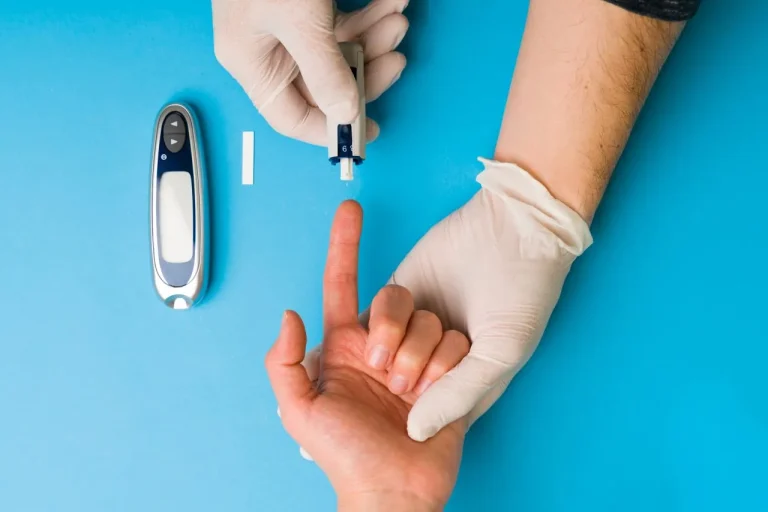
A healthy lifestyle can truly make a difference, starting with a balanced diet that reduces simple sugars and saturated fats. Regular physical activity, which improves insulin sensitivity, is essential. Daily blood sugar monitoring, adherence to the drug therapy prescribed by the diabetologist, and quitting smoking, which accelerates vascular damage and worsens microcirculation in the retina, are the other basic rules to follow.
According to data from the International Diabetes Federation, keeping average blood sugar (HbA1c) below 7% reduces the risk of developing significant diabetic retinopathy by 76%.
Do you know the other eye complications of diabetes?
Besides retinopathy, diabetes can affect several parts of the eye.
- Diabetic cataract: the rise in glucose in the lens alters its transparency, leading to early clouding. It often appears earlier than in non-diabetic people of the same age.
- Neovascular glaucoma: caused by the growth of new vessels on the iris, which block the drainage of fluid from the eye and raise intraocular pressure.
- Diabetic macular edema: one of the most disabling complications, in which fluid buildup in the central part of the retina impairs fine vision and reading.
These conditions, if recognized in time, can be treated effectively. However, timeliness remains the decisive factor for visual prognosis.
Prevention and awareness: the commitment of the Nefrocenter Group
World Sight Day, celebrated on October 9, is not only an occasion for information but a concrete call to action. Diabetes unfortunately has a significant impact on vision and causes vision symptoms. In Italy, it is estimated that over a million people live with some form of diabetic retinopathy, often undiagnosed. For this reason, the Nefrocenter Group promotes eye screening campaigns at its facilities in Italy. Multidisciplinary collaboration among ophthalmologists, diabetologists, nurses and general practitioners (GPs) is essential, because an integrated approach makes it possible to monitor the patient better and to intervene promptly in case of complications.