
Digestive endoscopy: when it is recommended
Digestive endoscopy: when it is recommended. Medical progress has made digestive endoscopy increasingly central to diagnosis and treatment.
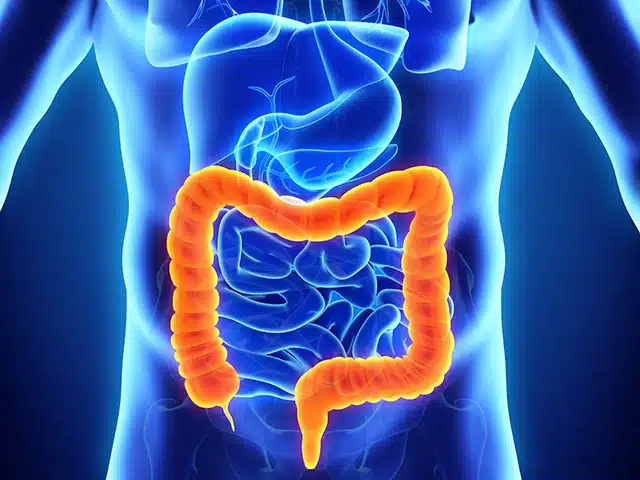
Digestive endoscopy: when it is recommended. Medical progress has made the use of digestive endoscopy increasingly central to the diagnosis and treatment of diseases of the gastrointestinal tract. What was once seen only as a “diagnostic” procedure is now fully regarded as a therapeutic and preventive tool, essential for the early detection of many conditions, including serious ones such as cancers.
What digestive endoscopy is
Digestive endoscopy is a medical procedure that allows the doctor to visually examine the digestive tract (that is, the esophagus, stomach, duodenum, small intestine and colon) using an instrument called an endoscope. This device is a thin, flexible tube fitted with a camera and a light source, which sends high-resolution images to an external monitor, allowing the doctor to observe the internal condition of the gastrointestinal tract in real time.
Depending on the area to be explored, there are different types of endoscopy:
- Esophagogastroduodenoscopy (EGD) or gastroscopy: to examine the esophagus, stomach and duodenum.
- Colonoscopy: to examine the colon and rectum.
- Rectosigmoidoscopy: to examine the final part of the intestine.
- Enteroscopy: for the small intestine, in selected cases.
- Capsule endoscopy: a swallowable capsule with a tiny camera to assess the small intestine in a non-invasive way.
What digestive endoscopy is used for
Digestive endoscopy has diagnostic, therapeutic and preventive purposes
Diagnostic purposes
This is its best-known function. Endoscopy makes it possible to:
- See ulcers, gastritis, esophagitis and esophageal varices.
- Identify intestinal polyps, diverticula or signs of chronic inflammation (as in Crohn’s disease and ulcerative colitis).
- Diagnose tumors of the gastrointestinal tract, even at an early stage.
- Detect internal bleeding or small lesions responsible for anemia.
- Perform biopsies (that is, tissue samples) for histological examination.
According to the guidelines of the American Society for Gastrointestinal Endoscopy (ASGE) and the Italian Society of Digestive Endoscopy (SIED), endoscopy is essential when the patient has persistent symptoms such as:
- Unexplained epigastric or abdominal pain
- Difficulty or pain when swallowing
- Rectal bleeding
- Iron-deficiency anemia
- Changes in bowel habits (constipation, chronic diarrhea)
- Unexplained weight loss
- A family history of gastrointestinal cancers
Therapeutic purposes
Today, many procedures that once required surgery can be carried out directly during endoscopy. Therapeutic endoscopy has taken on a crucial role in oncology as well, especially in removing precancerous lesions, as in the case of endoscopic mucosal resection (EMR) or endoscopic submucosal dissection (ESD), practices that are now common in large centers. For example:
- Removal of polyps (polypectomy)
- Sclerotherapy or banding of esophageal varices
- Dilation of strictures (narrowings of the lumen)
- Removal of foreign bodies
- Treatment of active bleeding (with clips or injections)
Preventive purposes
Screening colonoscopy is one of the pillars of colorectal cancer prevention, the second most frequent cancer in Italy. The test makes it possible to detect and remove adenomatous polyps before they turn into malignant tumors.
The Italian Ministry of Health recommends that all citizens between 50 and 74 years of age undergo screening with a fecal occult blood test every 2 years. If the result is positive, a colonoscopy follows.
When it is recommended and for whom
Digestive endoscopy is not a “routine” test for everyone, but is recommended by the doctor on the basis of:
- The presence of suspicious symptoms
- Risk factors (family history, chronic conditions, age)
- Abnormal results on laboratory tests or screening tests
In particular, it is strongly recommended for the following people:
- People with recurrent or unexplained gastrointestinal bleeding
- Patients with anemia without an obvious cause
- People with a family history of colon cancer or hereditary polyposis
- People who have had gastroesophageal reflux for more than 5 years, especially if over 50
- Patients with chronic inflammatory bowel diseases (IBD) such as Crohn’s disease or ulcerative colitis
How the test is performed
Many patients fear endoscopy because of pain or discomfort. In reality, today’s techniques are much less invasive, and conscious or deep sedation is often used, which allows the test to be undergone without pain or memory of it.
Gastroscopy (EGD)
- Lasts about 10-15 minutes
- Performed after fasting for at least 6 hours
- A thin tube is passed through the mouth down to the stomach
- Biopsies or treatments can be performed during the test
Colonoscopy
- Lasts 20-30 minutes on average
- Requires bowel preparation in the days beforehand (laxatives and diet)
- The colonoscope is introduced through the anus to examine the entire colon
- Polyps can be removed or tissue samples taken
The safety of endoscopy today is very high. Complications such as bleeding, perforation or reactions to sedation rarely occur (in less than 0.1% of cases).
Advanced digestive endoscopy toward precision diagnosis
In recent years endoscopy has been enriched with innovative technologies. These techniques, used by the Nefrocenter group, are turning endoscopy into a true tool for advanced diagnosis and personalized treatment.
- High-definition (HD) endoscopy and endoscopy with NBI (Narrow Band Imaging) to better highlight blood vessels and mucosal structures
- Robotic endoscopy and capsule endoscopy to explore areas that are otherwise difficult to reach
- Endoscopic ultrasound (EUS), which combines ultrasound and endoscopy to assess submucosal lesions or lymph nodes