Hip replacement: the surgery that changes lives
Hip replacement. Hip replacement surgery is one of the most effective orthopedic solutions for treating conditions of the hip

Hip replacement. Hip replacement surgery is one of the most effective and well-established orthopedic solutions for treating degenerative conditions that seriously impair the function of the hip joint (coxofemoral joint). It is performed by the specialists of the High-Complexity Orthopedic Center of Casa di Salute Santa Lucia, part of the NefroCenter Group. A hip replacement is needed because diseases such as osteoarthritis, rheumatoid arthritis or avascular necrosis can cause chronic pain, stiffness and a progressive loss of mobility, making even walking or everyday activities difficult. Surgery is considered when conservative treatments (such as physical therapy, injections or anti-inflammatory drugs) are no longer enough; at that point, joint replacement surgery becomes a necessary choice to improve the patient’s quality of life.
Symptoms that point to the need for a hip replacement
Symptoms that may point to the need for a hip replacement include:
- Persistent hip pain, even at rest or during the night
- Joint stiffness and difficulty with simple movements (such as putting on socks)
- Limping or impaired balance
- Limited mobility and difficulty climbing stairs, walking or getting up from a chair
- A lower quality of life and greater dependence on others
When these symptoms are assessed through diagnostic imaging such as X-rays or magnetic resonance imaging (MRI), they make it possible to determine the degree of joint deterioration.
What hip replacement surgery involves
The surgery replaces the damaged joint with an artificial prosthesis. The hip joint is made up of a “socket” (the acetabulum, located in the pelvis) and a “ball” (the upper part of the femur). The surgery removes the damaged components and replaces them with biocompatible implants, generally made of titanium, ceramic or polyethylene.
The two main components of the prosthesis are:
- The femoral stem, inserted into the canal of the femur and fitted with a spherical head
- The acetabular cup, which receives the head and allows smooth movement
The main surgical techniques
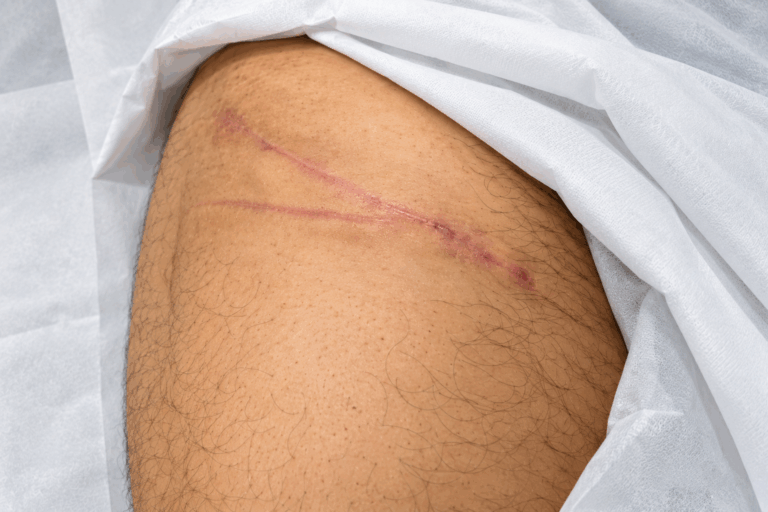
Today there are several surgical techniques, which differ in how the joint is reached and in the type of implant used. Traditional surgery uses the classic method, with a longer incision (15-20 cm). It has a greater impact on the muscle tissue, but it gives a complete view of the joint during the operation. It is still widely used in complex cases or in revision surgery. Minimally invasive surgery, by contrast, uses smaller incisions (8-10 cm), limiting damage to the soft tissues and shortening recovery times. The surgery can be performed through a direct anterior approach, with minimal muscle disruption, a modified lateral approach, or a posterior approach (very widespread, with good results in terms of stability). These techniques promote a shorter hospital stay and a faster return to everyday activities, but the decision about which type of surgery is most suitable for the patient rests with the medical team of the High-Complexity Orthopedic Center.
Types of hip prosthesis
Just as the choice of surgery can vary, the choice of prosthesis also depends on several factors such as age, bone condition, underlying disease and lifestyle. Prostheses are divided into:
- Total replacement (or total arthroplasty): replaces both the acetabulum and the head of the femur. It is the most common.
- Partial replacement (or hemiarthroplasty): replaces only the femoral head, often used for femoral neck fractures in older patients.
- Dual mobility prosthesis: provides greater stability, useful in patients at high risk of dislocation.
- Uncemented and cemented prostheses: the former are preferred in young people because they integrate naturally with the bone, the latter in older patients or those with osteoporosis.
Post-operative recovery
The surgery lasts about 1-2 hours. After the operation, the patient is helped out of bed within 24-48 hours with the assistance of a physical therapist. Full recovery takes about 2-3 months and includes:
- Physical therapy to strengthen the muscles and regain mobility
- Anticoagulants to prevent thrombosis
- Controlled activity to avoid the risk of dislocation or infection
Many patients report a marked improvement in their quality of life just a few weeks after the surgery, with a gradual disappearance of pain and significant improvement in those who had been limping.
How long it lasts and when to replace a hip prosthesis
A well-positioned hip prosthesis can last as long as 20-25 years, especially thanks to today’s innovative materials. However, revision surgery may become necessary in the case of:
- Wear of the components
- Recurrent dislocations
- Loosening of the implant (the prosthesis becomes “loose”)
- Deep infection (a rare but serious event)
Revision surgery is more complex and requires careful planning, but it makes it possible to replace the damaged components while keeping, when possible, those that are still intact. The High-Complexity Orthopedic Center specializes in revision surgery. It should be pointed out that choosing a specialized center such as Santa Lucia and following the post-operative instructions significantly reduce the likelihood of complications.