Colon cancer prevention
Colon cancer prevention. Colorectal cancer is one of the most common types of cancer. It is one of the most preventable.
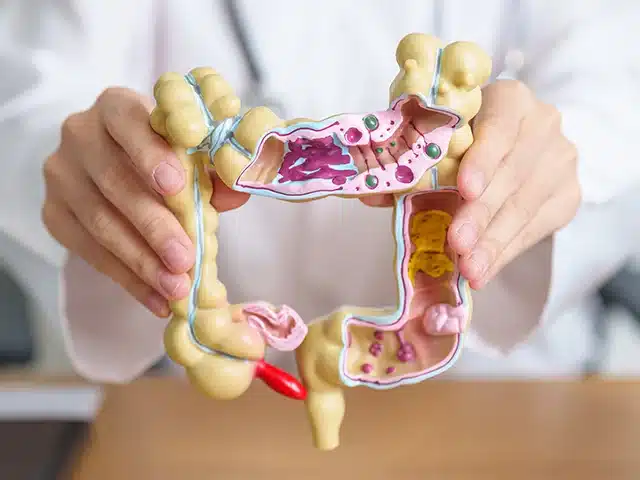
Colon cancer prevention. Colorectal cancer is one of the most common types of cancer. At the same time, it is one of the most preventable cancers with a suitable lifestyle.
Steps to take to prevent colon cancer
- Balanced diet: Eat more fruit, vegetables, legumes and whole grains. These foods are rich in fiber, promote bowel transit and protect the colon.
- Limit certain foods. Eating red and processed meats (cold cuts, cured meats, hot dogs) in moderation, along with alcohol and highly processed foods, is a considerable help.
- Regular physical activity. Even moderate physical activity can reduce the risk of developing colon cancer. The important thing is that the physical activity is regular.
- Maintain a healthy weight. Obesity is a risk factor. Colon cancer prevention is achieved by keeping body weight within the normal range, just as with the prevention of other types of cancer.
- Quit smoking. Smoking also increases the risk of getting colon disease.
- Regular screening. Starting at age 50, it is essential to have regular screening. The diagnostic services of the Nefrocenter Group make it possible to have specific tests for the early diagnosis of colon cancer.
The causes
Researchers have not yet clearly defined the precise causes of colon cancer. There are, however, risk factors, which is why colon cancer prevention is necessary.
- Age. The risk of getting the disease increases with age. Checkups should be done regularly starting at age 50.
- Heredity. If there have been cases of colon cancer in the family, the risk is higher and checkups can even begin earlier.
- Colorectal polyps. Polyps are small growths that can become cancerous, especially if they do not receive appropriate treatment.
- Inflammatory diseases. People with chronic inflammation of the intestine that results in diseases such as Crohn’s disease and ulcerative colitis are at risk.
- Lifestyle. Poor diet, a sedentary lifestyle, smoking and obesity are causes that can contribute to the onset of the disease.
The symptoms of colon cancer
Colon cancer prevention is essential, because in the early stages the cancer can show no symptoms. When symptoms do appear, they can include:
- Rectal bleeding. Bright red blood in the stool or black blood is one of the most obvious symptoms.
- Changes in bowel habits. Constipation alternating with diarrhea and a feeling of incomplete emptying after a bowel movement are warning signs.
- Abdominal pain. A vague feeling of discomfort or abdominal pain.
- Unintentional weight loss. It can be a sign of advanced cancer.
- Anemia. It occurs because of blood loss.
To have diagnostic tests done, you can contact NefrocenterLab and the facilities of the Nefrocenter Group.
Treatment
Treatment of colon cancer depends on the stage of the disease, as well as on the characteristics of the tumor itself. The main treatment options include:
- Surgery. This is the main treatment used to remove the tumor.
- Chemotherapy. It is used to kill cancer cells.
- Radiation therapy. It is used to destroy cancer cells with radiation.
- Biological therapies. They use the immune system to fight the tumor.