Dilated cardiomyopathy
Dilated cardiomyopathy is a disease caused by enlargement of the heart chambers. It occurs when the ventricles become enlarged

Dilated cardiomyopathy is a disease caused by the enlargement of the heart chambers. It occurs when the ventricles become enlarged and the heart has a limited ability to pump blood, so blood is not pumped effectively. The phenomenon is also called cardiac dilation, and it leads to a series of symptoms and complications. This condition can have several consequences, some of them quite serious. People with dilated cardiomyopathy are in fact at risk of severe heart failure, arrhythmias and, in the most serious cases, sudden death. For this reason an early diagnosis is essential, by turning to the specialists of the NefroCenter Group, who can rely on cutting-edge equipment, including Whole Body MRI, for an accurate diagnosis that makes it possible to draw up a personalized treatment plan for the patient. The goal is to improve the patient’s quality of life.
Causes of dilated cardiomyopathy
The causes of dilated cardiomyopathy can differ from person to person. They are either genetic or acquired. The genetic cause is gene mutations that affect the genes responsible for the structure and function of the heart muscle.
There are also acquired causes, which involve not only the presence of heart disease but also conditions acquired through lifestyle or environmental factors, as well as other diseases. Dilated cardiomyopathy can be caused by:
- Heart diseases that lead to myocardial infarction, hypertension and valvular heart disease.
- Infections such as viruses, bacteria or parasites that inflame the heart muscle, causing myocarditis.
- Toxic damage due to alcohol abuse, drug use or exposure to environmental toxins.
- Systemic diseases such as diabetes, thyroid disease and rheumatic diseases.
- Idiopathic causes, that is, medical conditions whose exact cause is not known. The term “idiopathic” comes from the Greek “idios” (one’s own) and “pathos” (disease), meaning a disease of unknown origin.
Symptoms
The symptoms of dilated cardiomyopathy vary with the severity of the disease and include:
- Fatigue. Excessive tiredness even after small efforts.
- Dyspnea. Difficulty breathing, especially during physical activity or when lying down.
- Edema. Swelling in the legs, feet and abdomen.
- Palpitations. The feeling of a heart beating too hard or irregularly.
- Dizziness or fainting. Due to low blood pressure.
- Cough. Especially at night.
Diagnosis
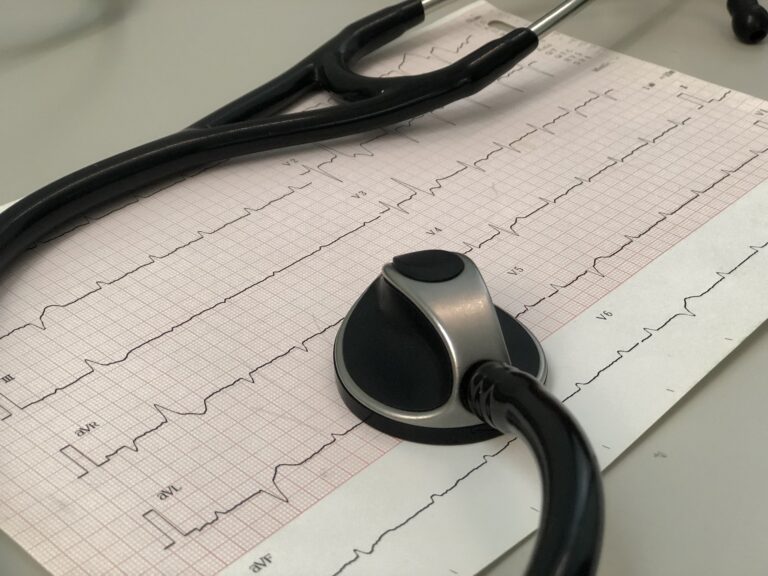
Dilated cardiomyopathy is diagnosed by a cardiologist. The specialist in the heart and cardiovascular diseases starts from the medical history, to reconstruct the patient’s clinical history and identify the causes. The cardiologist then moves on to the physical examination, which includes assessing clinical signs such as the presence of edema, an irregular heart rate and blood pressure. Next comes an electrocardiogram, which records the electrical activity of the heart, before an echocardiogram is performed to assess the function and size of the heart muscle. Finally, to measure the pressure inside the heart chambers precisely, the cardiologist performs cardiac catheterization, an invasive diagnostic procedure that makes it possible to view and study the heart in detail.
Treatment
The treatment of dilated cardiomyopathy aims to control symptoms, improve the patient’s quality of life and prevent complications, which can be serious. The therapies prescribed by the cardiologist differ according to severity and symptoms. Drug therapy is based on diuretics, angiotensin-converting enzyme inhibitors (ACE inhibitors) and angiotensin receptor blockers (ARBs). It is also based on beta-blockers, or on anticoagulants and antiarrhythmics. Therapy can also rely on implantable devices, such as the pacemaker and the implantable cardioverter defibrillator (ICD): it recognizes and treats potentially life-threatening arrhythmias. Finally, in the most serious cases, the patient needs a heart transplant, because the heart is compromised.