Kidney stones
Kidney stones, also known as nephrolithiasis or renal lithiasis, are deposits of solid material that form inside the kidneys
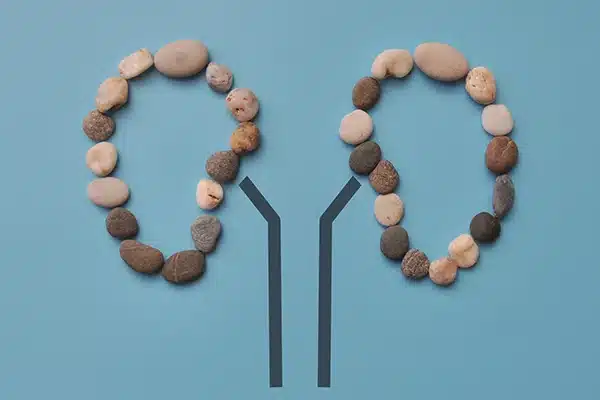
Kidney stones, also known as nephrolithiasis or renal lithiasis, are deposits of solid material that form inside the kidneys. These deposits can vary in size, from tiny grains to larger stones.
The causes of kidney stones
Kidney stones form when the levels of certain substances in the urine, such as calcium, oxalate, uric acid or phosphates, become too high. These mineral salts can precipitate and crystallize, and then clump together to form stones.
Risk factors
Some people are more prone to developing this problem than others. Risk factors include:
-
- Dehydration: Drinking too little water can increase the concentration of mineral salts in the urine
-
- Diet: Foods rich in calcium, oxalate, uric acid or phosphates can increase the risk.
-
- Obesity: Obesity is a risk factor for type 2 diabetes, which in turn increases the risk.
-
- Family history: If a family member already has this problem, you have a higher risk of developing it.
-
- Certain medical conditions: Certain medical conditions, such as type 2 diabetes, hyperthyroidism and cystinuria, can increase the risk.
Symptoms
Kidney stones may cause no symptoms, especially if they are small. The symptoms of kidney stones can vary depending on the location, size and shape of the stones. However, when the stones grow larger or move into the urinary tract, they can cause symptoms such as:
-
- Sharp, stabbing pain in the back or sides: this is the most common symptom of kidney stones. The pain can come and go or be constant, and it can radiate to the groin, abdomen or genitals.
-
- Pain or burning during urination: the passage of a stone through the urinary tract can cause pain or burning during urination.
-
- Frequent urination: the need to urinate may be more frequent than usual, even when only small amounts of urine are passed.
-
- Urinary urgency: you may feel a sudden, pressing urge to urinate.
-
- Hematuria (blood in the urine): kidney stones can damage the urinary tract and cause blood to appear in the urine.
-
- Nausea and vomiting: the pain and discomfort caused by their presence can lead to nausea and vomiting.
-
- Chills and fever: if kidney stones cause a urinary tract infection, chills and fever may occur.
Diagnosis
Kidney stones are diagnosed based on the patient’s symptoms and on certain tests, including:
-
- Blood tests: to assess kidney function and check for any electrolyte imbalances.
-
- Urinalysis: to detect the presence of blood, protein or other signs of inflammation.
-
- Abdominal ultrasound: to visualize the kidney stones and their size.
-
- Abdominal X-ray: to confirm their presence and their location.
Treatment
The treatment of kidney stones depends on the size and location of the stones. Small stones can pass on their own with the urine. Larger stones, or those that block the urinary tract, may require medical treatment, such as:
-
- Medication: drugs to relieve pain and help the stones pass.
-
- Shock wave lithotripsy (ESWL): a noninvasive procedure that uses shock waves to break kidney stones into small fragments that can pass out with the urine.
-
- Ureteroscopy: a procedure in which a small fiber-optic instrument is inserted into the urinary tract to remove them.
-
- Percutaneous nephrolithotomy: a surgical procedure in which a small needle is inserted through the skin to reach the kidney and remove them.
Prevention
It is possible to reduce the risk of developing kidney stones:
-
- Drink plenty of water: drinking at least 2 liters of water a day helps dilute the urine and reduce the concentration of mineral salts.
-
- Follow a balanced diet: limit foods rich in calcium, oxalate, uric acid or phosphates.
-
- Maintain a healthy weight: obesity is a risk factor for type 2 diabetes, which in turn increases the risk of kidney stones.
-
- Exercise regularly: physical activity helps maintain a healthy weight and reduce the risk of type 2 diabetes.
What to drink to dissolve kidney stones
In general, it is not possible to dissolve kidney stones by drinking. Most kidney stones are made of substances that are not soluble in water, so drinking will not dissolve them.
However, drinking plenty of water can help prevent new kidney stones from forming and can help small stones that are already present to pass.
Recommended drinks
-
- Water: Water is the best drink for people who have kidney stones or are at risk of them. It is recommended to drink at least 2 liters of water a day, or more if you exercise or live in a hot climate.
-
- Lemonade: Lemonade contains citrate, which can help prevent the formation of calcium stones. However, it is important to limit sugar, as it can increase the risk.
-
- Pomegranate juice: Pomegranate juice contains antioxidants that can help protect the kidneys from damage.
-
- Green tea: Green tea contains polyphenols that can help prevent their formation.
Drinks to avoid
-
- Sugary drinks: Sugary drinks, such as soda and fruit juices, can increase the risk.
- Alcohol: Alcohol can dehydrate the body and increase the risk.
- Coffee: Coffee can increase the risk in some people.
The best method for preventing kidney stones
It is possible to find out whether this problem may develop or come back. At the Rome American Hospital of the Nefrocenter group, a metabolic study for prevention is performed. It is a noninvasive method that, through a urine test, makes it possible to know whether or not a person is at risk. Among other things, it is very useful because it allows doctors to intervene in 75% of the patients who have a recurrence.
Foods to avoid or limit if you have kidney stones
Salt and very salty foods
Packaged snacks, potato chips, bouillon cubes, cured meats and fast food can increase the risk of kidney stones because sodium promotes the excretion of calcium in the urine.
Cured and processed meats
Salami, sausages, hot dogs, bacon and other cured meats are rich in sodium and animal protein, elements that can promote the formation of stones.
Too much animal protein
A high consumption of red meat and organ meats can increase uric acid and urinary calcium levels, promoting kidney stone formation.
Sugary drinks
Soda, cola and energy drinks can alter metabolism and increase the risk of stone formation.
Alcoholic drinks
Excessive alcohol consumption can promote dehydration and increase the concentration of the urine.
Foods rich in oxalates
Spinach, Swiss chard, beets and rhubarb contain high amounts of oxalates, substances that can contribute to the formation of calcium oxalate stones.
Too many nuts
Almonds, hazelnuts and peanuts contain oxalates and should be eaten in moderation.
Chocolate and cocoa
Cocoa and dark chocolate are rich in oxalates and can increase the risk in people who are predisposed.
Black tea and commercial iced tea
Consumed in large amounts, they can increase the intake of oxalates.
Unsupervised supplements
High-dose vitamin C and protein supplements can increase the load on the kidneys and promote some forms of kidney stones.
Foods rich in purines
Anchovies, sardines, shellfish and organ meats can promote uric acid stones.
Ultra-processed foods
Ready meals, commercial sauces and packaged foods contain high amounts of sodium and additives.
Well-aged cheeses
Pecorino, Parmesan and other very salty cheeses can increase the sodium load.
Fast food and fried foods
Too much fat, salt and animal protein can promote metabolic changes associated with the formation of stones.
Poor hydration
Drinking too little water is one of the main risk factors for kidney stones, because it makes the urine more concentrated.
Kidney stones and summer heat: why summer increases the risk
With the arrival of summer, visits to the emergency room for renal colic also increase, so much so that the hottest months of the year are considered the period of highest incidence of kidney stones. This is not a mere coincidence: there is a close link between high temperatures, dehydration and stone formation.
When the heat rises, our body loses large amounts of water through sweating to keep body temperature stable. If the fluids lost are not adequately replaced, the volume of urine decreases and the urine becomes more concentrated. In this condition, the concentration of substances such as calcium, oxalate, uric acid and phosphates increases, and they can clump together to form small crystals. Over time these crystals can join together and give rise to kidney stones.
For this reason, drinking too little during the summer is one of the main risk factors for urinary stones. People who have already had an episode of kidney stones are particularly exposed to recurrences, especially if they work outdoors, play intense sports or spend many hours in the sun without adequate hydration.
People who live in very hot areas or who often face heat waves should also pay particular attention. Numerous studies have shown that the incidence of urinary stones increases precisely in regions with high temperatures and during the muggiest summer periods.
How to prevent kidney stones in summer
The most effective strategy is to keep the urine sufficiently dilute throughout the day. This means drinking regularly without waiting until you feel thirsty, spreading your fluid intake across the day. A good indicator is the color of the urine: it should be clear or pale yellow. Very dark urine can be a sign that the body needs more water.
In addition to proper hydration, it is advisable to limit excessive salt, follow a balanced diet rich in fruit and vegetables, and not overdo sugary or alcoholic drinks, which can promote dehydration. Avoiding prolonged sun exposure during the hottest hours and replacing fluids after physical activity are also useful habits for reducing the risk.
Who needs to be even more careful
Some groups of people should pay particular attention during the summer. These include patients who have already suffered from kidney stones, people with a family history of urinary stones, people with metabolic diseases, those who follow diets particularly rich in animal protein, and those who work in very hot environments or outdoors.
In cases of recurrent kidney stones, it is important to see a nephrology or urology specialist to identify the cause of stone formation and set up a personalized prevention plan. Specific blood and urine tests and analysis of the stone’s composition make it possible to identify individual risk factors and significantly reduce the likelihood of new episodes of renal colic.
Taking care of your hydration in the summer is not only a way to cope better with the heat: it is one of the most effective steps you can take to protect the health of your kidneys and prevent one of the most painful conditions of the urinary system.
FAQ – Frequently asked questions about kidney stones
What are kidney stones?
Kidney stones are solid aggregates made up of mineral salts and substances found in the urine. They can develop in the kidneys or in the urinary tract and can vary greatly in size.
What are the symptoms of kidney stones?
The most common symptoms include severe pain in the side or back, nausea, burning during urination, blood in the urine and a frequent need to urinate. In some cases, especially with small stones, there may be no obvious symptoms.
Why do kidney stones form?
The formation of stones can depend on several factors:
- poor hydration
- a diet rich in salt or animal protein
- genetic predisposition
- metabolic disorders
- urinary infections
- certain kidney or intestinal diseases
Does drinking too little water increase the risk?
Yes. Poor hydration makes the urine more concentrated and makes it easier for the mineral salts that form stones to precipitate.
Can kidney stones come back?
Yes. Kidney stone disease often tends to recur, especially if dietary and metabolic risk factors are not corrected.
Which foods promote kidney stones?
Foods to limit include:
- very salty foods
- cured meats
- too much animal protein
- foods rich in oxalates
- sugary drinks
Your diet should in any case be personalized to the type of stone.
Are all kidney stones the same?
No. There are different types of stones:
- calcium oxalate
- uric acid
- struvite
- cystine
Each type can have different causes and different prevention strategies.
How are kidney stones diagnosed?
Diagnosis is based on:
- a specialist visit
- kidney ultrasound
- CT scan
- urine tests
- blood tests
When does a stone need surgery?
It depends on the size, the location and the symptoms. Small stones can pass on their own, while larger ones may require specific treatments.
Can kidney stones damage the kidneys?
If left untreated, they can cause:
- infections
- urinary obstruction
- kidney damage
- kidney failure in the most serious cases
How can kidney stones be prevented?
Prevention is based mainly on:
- proper hydration
- a balanced diet
- reducing salt
- weight control
- medical monitoring in people who are predisposed
Is the pain from a kidney stone always very severe?
Not always. Some small stones can cause almost no symptoms, while others cause very intense renal colic.
Do kidney stones affect more men or women?
Historically they were more common in men, but in recent years they have become more widespread in women as well.
Can stress promote kidney stones?
Stress is not a direct cause, but it can affect eating habits, hydration and metabolism.
Do I need follow-up checks after a kidney stone episode?
Yes. After an episode of kidney stones, it is important to have a nephrology or urology follow-up to assess any predisposing factors and reduce the risk of recurrence.