Heart tests
Heart tests are a series of diagnostic tests used to assess the health of the heart and to identify heart disease.

Heart tests are a series of diagnostic tests used to assess the health of the heart and to identify any heart disease. They are very important tests because they are part of one of the most important forms of prevention for health. Heart tests are used to:
- Prevent heart disease
- Diagnose heart disease early
- Monitor heart health in people with known heart conditions
- Evaluate the effectiveness of a treatment for a heart condition
Who to contact for heart tests
Heart tests can be prescribed by a family doctor or a cardiologist. They are important for identifying the risk factors for heart disease. They are also important for diagnosing heart disease early, when it is easier to treat. They help prevent the complications of heart disease. And, in essence, they improve the quality of life of people with known heart conditions. They can be carried out at the centers of the Nefrocenter group and at the Rome American Hospital in the presence of specialists, with state-of-the-art equipment that provides accurate results.
Prevention of the main heart diseases
Prevention of the main heart diseases is essential. These are:
- Cardiac ischemia: a condition in which blood flow to the heart is reduced
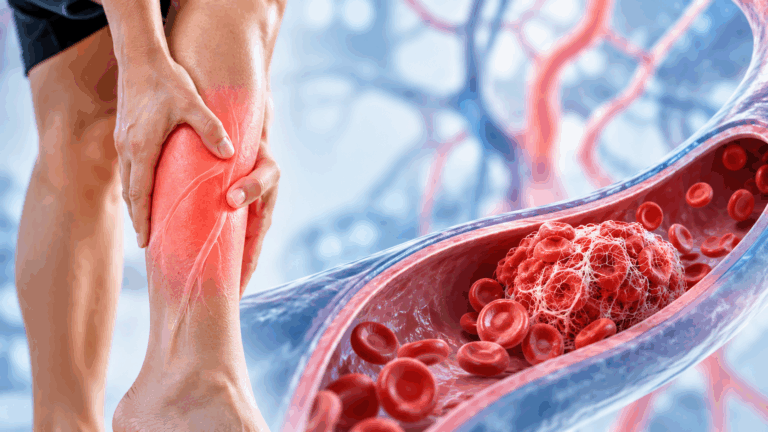
- Myocardial infarction: a heart attack that occurs when blood flow to the heart is blocked
- Heart failure: a condition in which the heart is not able to pump enough blood to meet the body’s needs
- Atrial fibrillation: a heart rhythm disorder
Recommended heart tests
Heart tests are recommended in several cases, including:
- Presence of risk factors for heart disease: such as age, sex, family history of heart disease, smoking, high blood pressure, diabetes, high cholesterol
- Presence of symptoms of heart disease: such as chest pain, shortness of breath, fatigue, fainting
- Periodic checkups in people with known heart conditions
The heart tests a person may undergo, depending on symptoms, for a checkup or simply as a form of prevention, vary from case to case. They are:
- Cardiac tests
- Cardiology visit
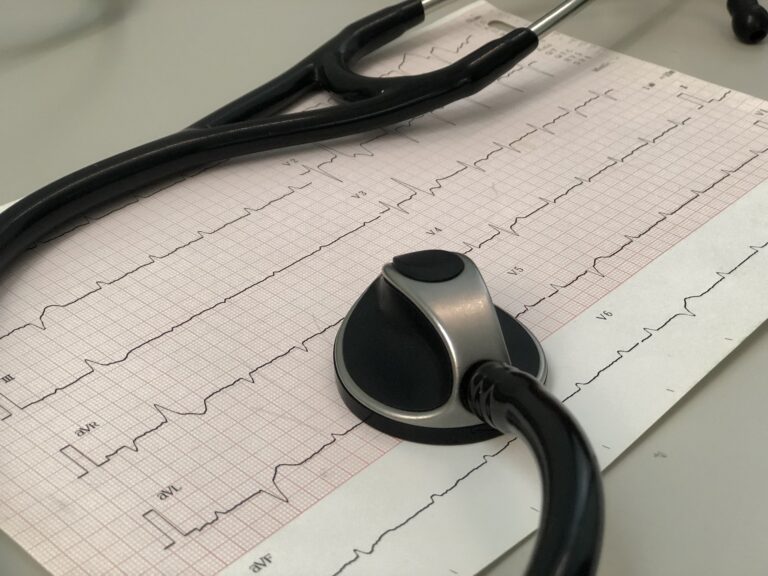
- Electrocardiogram (ECG)
- Echocardiogram
- Holter monitor
- Stress test
- Coronary angiography
- Cardiac CT scan
- Cardiac magnetic resonance imaging (MRI)
Heart attack statistics in Italy
In Italy, about 200,000 myocardial infarctions occur every year. Myocardial infarction is the leading cause of death in Italy, for both men and women.