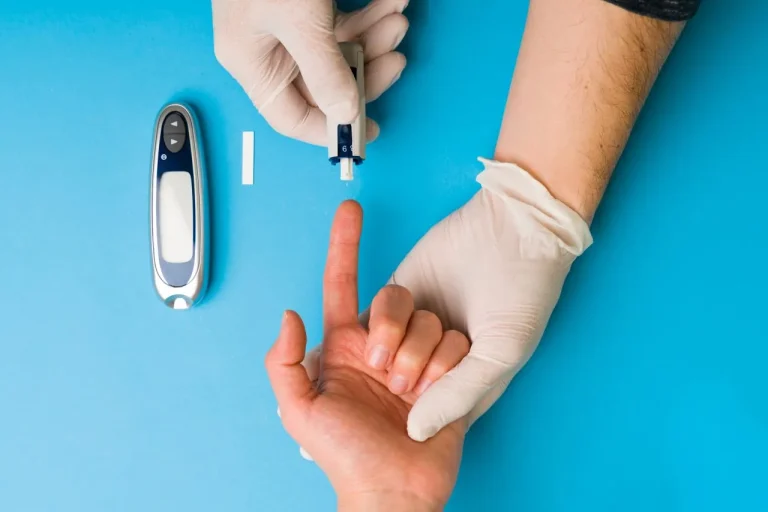
Diabetes in summer: Nefrocenter’s tips
Diabetes in summer should be managed with the same care as at other times of the year to avoid problems. Nefrocenter's tips.

Diabetes in summer should be managed with the same care as at other times of the year, to avoid serious problems. Here are some important tips from Nefrocenter for those heading to vacation spots and to the beach, so that you can enjoy this time of year without consequences.
Diabetes in summer: how to manage blood glucose, insulin and diet in the heat
Summer can be a challenge for people living with diabetes. High temperatures can affect both blood glucose levels and the effectiveness of medications, making it even more important to take a few simple precautions. Proper hydration, a balanced diet and careful management of therapy help you get through the hottest months safely.
Blood glucose and heat: what is the relationship?
Intense heat can promote dehydration, a condition that tends to make blood glucose harder to control. In addition, prolonged exposure to high temperatures can change the way insulin is absorbed and increase the risk of episodes of low blood sugar (hypoglycemia) or high blood sugar (hyperglycemia), especially in people who exercise outdoors.
For this reason, it is advisable to check your blood glucose more often on particularly hot days, especially before and after physical activity or long periods spent in the sun.
How to store insulin in hot weather
Insulin is a medication that is sensitive to high temperatures. If exposed to excessive heat, it can lose its effectiveness.
During the summer it is important to:
- store it according to the manufacturer’s instructions;
- avoid leaving it in the car or directly exposed to the sun;
- carry it in insulated cooling cases when you are away from home;
- never freeze it.
Other medications used to treat diabetes must also be stored correctly, always following your doctor’s instructions and the package leaflet.
Watch your blood glucose meter too
It is not just insulin: the blood glucose meter, the test strips and the sensors used to monitor blood glucose can also be affected by high temperatures.
To get reliable readings, it is advisable to:
- not leave the device in the sun;
- store it in cool, dry places;
- avoid using it when it is excessively hot;
- always check for any error messages on the device.
Summer fruit and diabetes: which to choose?
Summer fruit is a valuable source of water, vitamins and minerals, but people with diabetes should eat it in moderation.
Watermelon, cantaloupe, peaches, apricots and berries can be included in a balanced diet in the portions recommended by your diabetes specialist or dietitian, preferably avoiding fruit juices and sugary products, which cause a rapid rise in blood glucose.
Nefrocenter specialists’ tips for diabetes in summer
During the summer it is helpful to follow a few simple rules:
- drink water regularly throughout the day;
- check your blood glucose more often on very hot days;
- avoid sun exposure during the middle of the day;
- store insulin and self-monitoring devices correctly;
- follow a balanced diet rich in vegetables and fruit in the recommended amounts;
- contact your doctor if your blood glucose values are hard to control or if symptoms of dehydration appear.
Small everyday precautions can make a big difference, allowing you to get through the summer safely and to protect not only your diabetes control, but also the health of your kidneys and your whole body.
DIABETES IN SUMMER, NEFROCENTER’S TIPS FOR BODY CARE
KEEP DRINKING
The body must always be kept hydrated by people with diabetes in summer. Drink water and homemade unsweetened tea. Even in summer, and even at the beach, it is advisable to avoid fizzy drinks and juices with added sugar. Athletes should consult their diabetes specialist before taking dietary supplements.
ALWAYS WEAR SANDALS
The feet of people with diabetes are delicate. To avoid cuts, wounds and burns, it is always advisable to wear sandals. Both on the beach and in the water, it is important to protect the feet from foreign objects that could cause injuries, even imperceptible ones. Apply sunscreen so that sun exposure does not cause sunburn. Should any problem occur, it is important not to rely on “do-it-yourself remedies” but to consult your trusted diabetes specialist to agree on treatment.
DON’T STAY IN THE WATER TOO LONG
Avoid skin maceration by not staying in the water too long, and dry your feet thoroughly.
Maceration can cause small lesions between the toes which, if not treated properly and in time, can cause serious problems. The difficulties increase if the person has had diabetes for a long time, is elderly, has blood circulation problems, or has reduced sensation of pain and of heat in the feet.
CHECK FOR ANY FOOT INJURIES
After a day spent at the sea, on the beach and in the water, carefully check whether your feet have any lesions or small wounds. To avoid this, do not stay in the water too long, do not expose your feet to the sun too much and always wear sandals. Diabetes in summer must be managed without distractions.
Do you have diabetes, or do you have family members with diabetes? Follow our tips on our social media channels too