Early symptoms of heart failure
Heart failure, also referred to as cardiac failure, is one of the clinical conditions that have early symptoms.

Early symptoms of heart failure. Heart failure, also referred to as cardiac failure, is one of the clinical conditions on which the NefroCenter Group has, in recent years, notably stepped up its commitment, with investments in specialists and equipment.
What is heart failure
Heart failure is when the heart cannot pump the amount of blood the whole body needs. When this happens, a number of conditions appear through symptoms and complications that call for a consultation with a specialist. It is essential, in fact, to recognize the early symptoms of heart failure.
Early symptoms
Sometimes patients overlook the symptoms because they are very common to other health conditions. These include:
- Dyspnea: difficulty breathing, particularly when lying down or during physical activity.
- Fatigue: a constant feeling of tiredness and exhaustion with every movement.
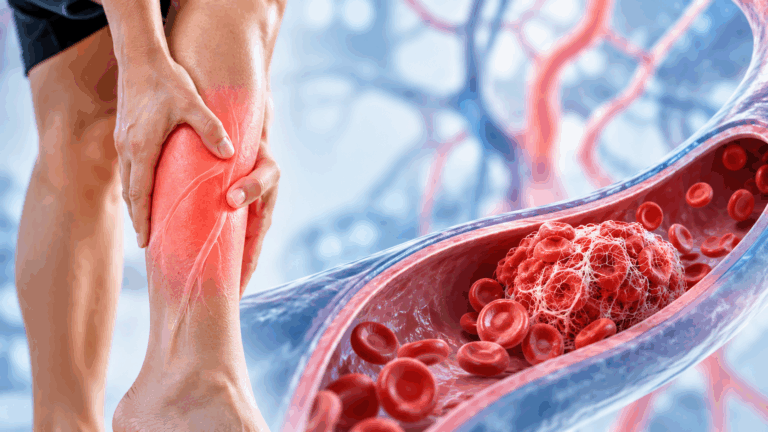
- Edema: swelling in the legs that starts below the knee and is especially evident at the ankles.
- Cough: one of the early symptoms of heart failure is a constant dry cough.
- Weight gain: caused by excess fluid retention, which is due to poor functioning of the heart muscle.
- Palpitations. Sudden racing of the heart.
The causes of heart failure
The causes of heart failure can be serious. For this reason, when symptoms appear, it is important to see your cardiologist. The most important cause is a myocardial infarction, that is, damage to the heart muscle caused by a heart attack. High blood pressure, which overloads the heart, should not be underestimated, nor should heart valve problems. The underlying cause may also be diseases of the heart muscle known as cardiomyopathies, or arrhythmias, that is, irregular heartbeats that cause problems.
Diagnosis
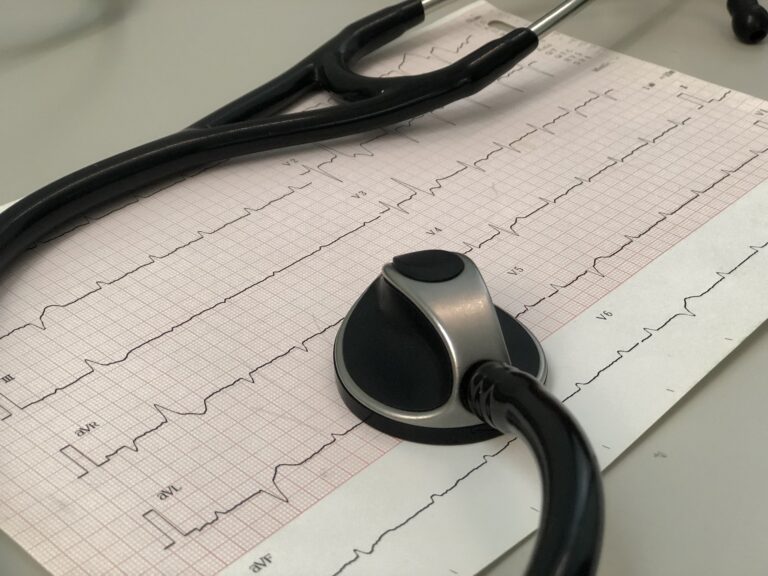
There are several ways to diagnose the signs of heart failure. At its facilities, the NefroCenter Group has adopted state-of-the-art equipment that guarantees highly accurate results. A complete diagnosis starts with a physical exam by the specialist, who listens to the heart and lungs and measures blood pressure, looking for any signs of edema. The patient then undergoes an Electrocardiogram (ECG) which may be combined with a chest X-ray, and blood tests may be requested.
Treatments
Depending on the cause, the specialist decides the treatment for heart failure. The first approach the doctor may recommend is one aimed at reducing symptoms, through drug therapy that improves the strength of the heart muscle and reduces fluid retention so as to slow the progression of the disease over time. Lifestyle changes by the patient are essential: they will need to follow an appropriate diet, give up smoking completely and be physically active.
ITALIAN MINISTRY OF HEALTH DATA