01 — SCOPE
PLDD: what it is, how it works and when it is indicated for a herniated disc
What PLDD is and its applications
PLDD is a percutaneous procedure, that is, performed through the skin, without major surgical incisions.
It is mainly used to treat:
- Lumbosciatica caused by disc protrusion or herniation
- Cervicobrachialgia (neck pain radiating to the arm)
- Contained disc herniation
The goal of the treatment is to reduce the pressure that the disc exerts on the nerve, thus decreasing pain and inflammation.
How laser disc decompression works
Between the vertebrae of the spine lies the intervertebral disc, made up of:
- a soft central part called the nucleus pulposus
- a tougher outer part called the annulus fibrosus
When the disc is damaged, the nucleus can leak out or bulge, compressing the nerve roots. PLDD works by vaporizing a small part of the nucleus pulposus (generally no more than 25%). This reduces the internal pressure of the disc and allows the nerve to be freed from compression.
The result is a reduction in pain and an improvement in symptoms.
02 — SERVICES
How the procedure is performed
Lumbar PLDD
- The patient is placed in a prone position (face down).
- A very thin needle is inserted into the affected disc under radiological guidance.
- A very fine laser fiber is passed through the needle.
- The laser vaporizes part of the nucleus pulposus.
In some cases an epidural wash may also be performed to reduce local inflammation. The energy used is measured in joules, the unit of work. For the lumbar spine up to about 800 joules may be used.
Cervical PLDD
- The patient is placed in a supine position (lying on the back).
- A needle is inserted into the affected cervical disc.
- The laser fiber is introduced to perform the decompression.
In the cervical spine the energy used is generally lower (about 500 joules).
The advantages of PLDD
Compared with traditional surgery, PLDD has several advantages:
- Minimally invasive procedure
- No large surgical incisions
- Reduced trauma to the tissues
- Lower risk of complications
- Generally faster recovery
- Vaporization time under 5 minutes
The laser used works at a specific wavelength (980 nm), designed to limit heat dispersion and reduce the risk of damage to the surrounding tissues.
03 — WHERE
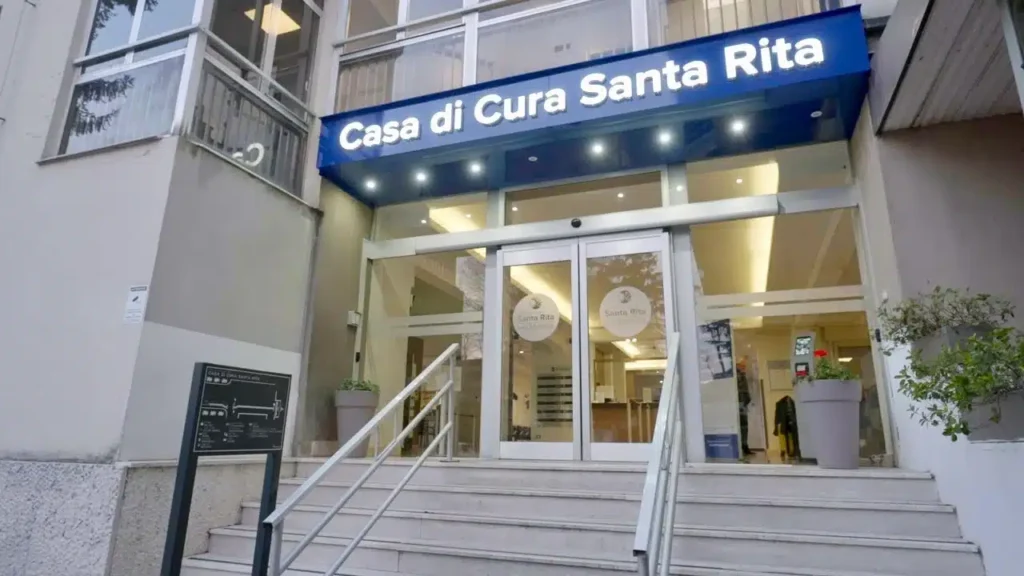
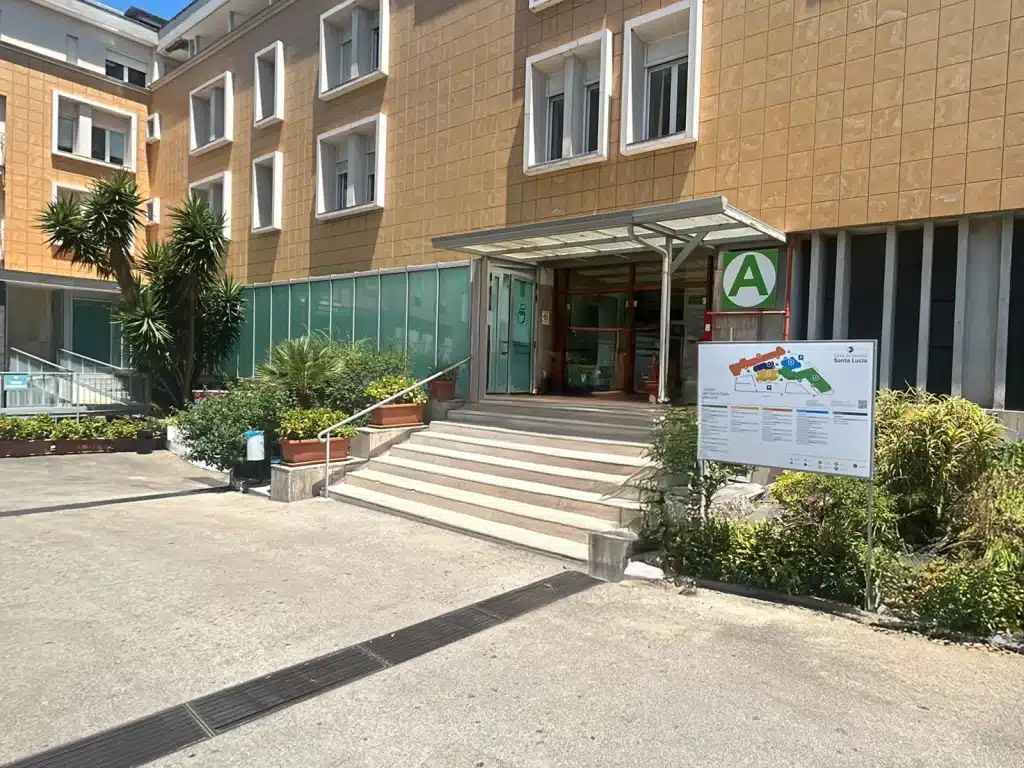
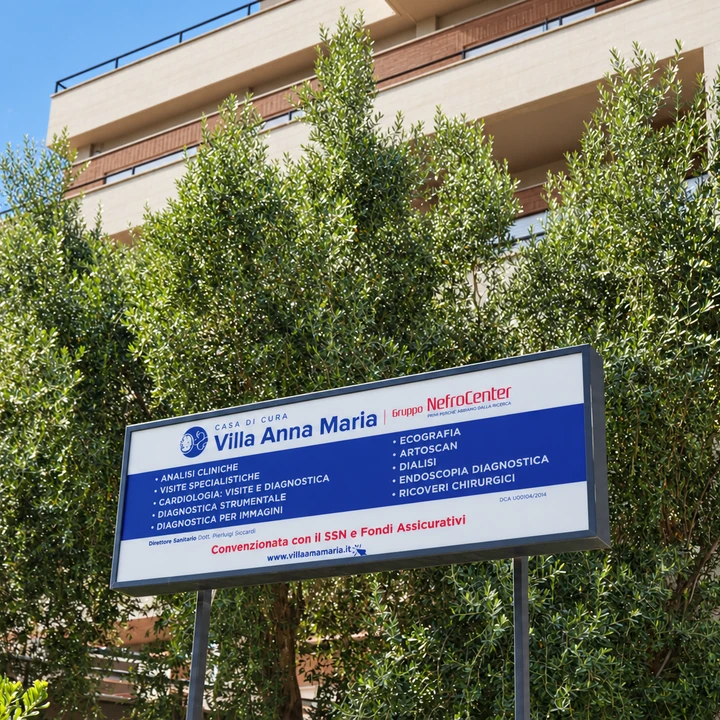
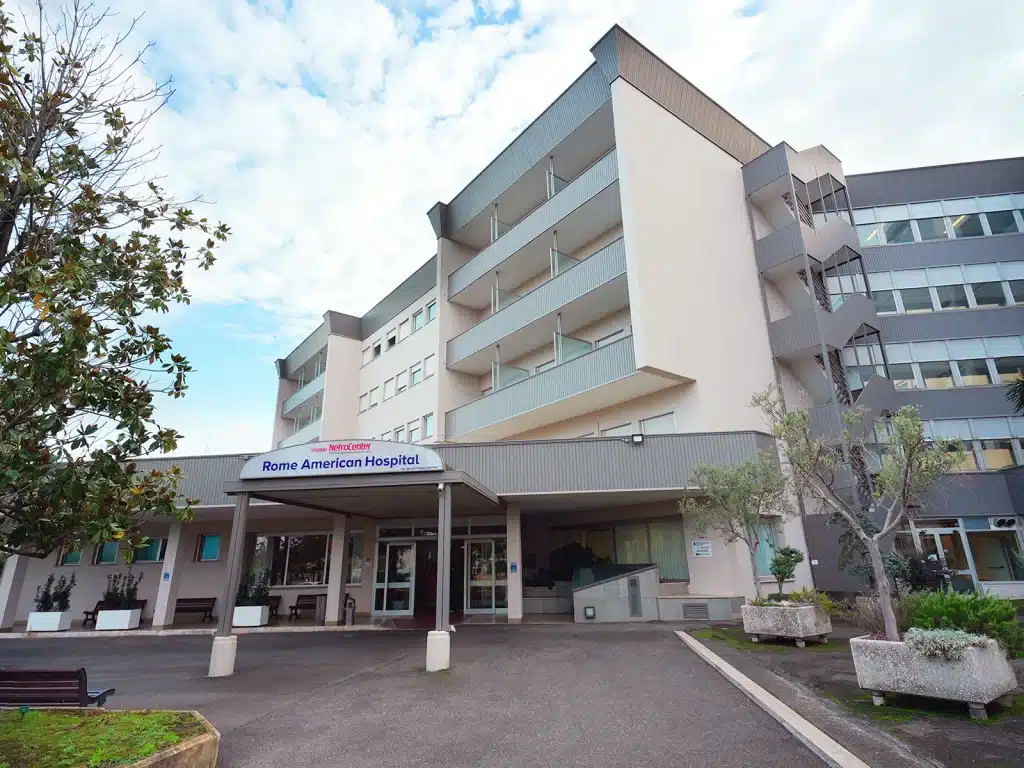
Operating Units
04 — IN DEPTH
When PLDD is not indicated
Not all patients with a herniated disc can be treated with PLDD.
The main contraindications include:
- Calcified hernias
- Migrated hernias
- Severely degenerated discs (“black disc”)
A specialist assessment is essential to establish suitability for the treatment.
05 — IN DEPTH
Recovery and follow-up
After the procedure, check-ups are scheduled at:
- 1 month
- 3 months
- 6 months
Anti-inflammatory drugs may be prescribed in the following days, if necessary. Recovery is generally faster than after traditional surgery, but it depends on the patient’s condition and the type of hernia.
PLDD or traditional surgery?
The choice between PLDD and traditional discectomy depends on several factors:
- type of hernia
- severity of symptoms
- duration of pain
- general condition of the patient
PLDD is indicated above all in cases of contained hernia and persistent pain that does not respond to conservative treatment. PLDD is a modern, minimally invasive technique for the treatment of herniated discs in selected patients. By reducing the pressure inside the disc with the laser, it is possible to relieve nerve compression and improve pain without resorting to more invasive surgery. It is essential to always consult a specialist for an accurate, personalized assessment.