How to recover from overeating during the Christmas holidays
How do you recover from overeating during the Christmas holidays? All the useful tips on what to drink, what to eat and what to do.

How do you recover from overeating during the Christmas holidays? Do relatives and friends organize dinners over the holidays and involve you in other activities where everyone ends up around the table? There are a few simple rules to avoid feeling bloated, stuffed and full. Overeating is bad for you, as everyone knows, but few people manage to resist the delicacies on the table. In the worst cases, though, it can also cause nausea and a general feeling of being unwell, which shows up above all as excessive tiredness.
How to recover from overeating: a single big meal does no harm
Put the guilt aside. A single Christmas or New Year’s dinner or lunch will not harm your body. In fact, at social occasions it is normal to let yourself go at the table. The weight control that everyone imposes on themselves must also leave room for a more relaxed approach to meals. With a single big meal you do not gain weight, and you do not risk diabetes or high cholesterol either.
How to get your diet back on track
The secret is to get back on track right away. How to recover from overeating is something everyone asks themselves after the holidays. The important thing is not to have several big meals in a row. That is because the body weight we try to control depends on what we eat every day, not on the big meals, which should be a rarity. The immediate remedy, then, is to get back on track right away and start again with good eating habits. If we step on the scale right after a big meal, we have generally gained about a kilo. It is made up largely of water and fluid retention. We are, of course, talking about a single big meal. If, on the other hand, we are in the habit of overdoing it at the table, the weight gain will be due to the excess body fat that builds up when a poor diet is combined with a sedentary lifestyle.
Avoid salty foods
Eating salty foods can cause fluid retention. In the days after the big meal, if your diet returns to normal, these fluids are eliminated anyway. So when you step on the scale, the excess weight will be gone. This happens because a single big meal does not increase body fat: there is simply excess fluid.
How to recover from overeating by eating
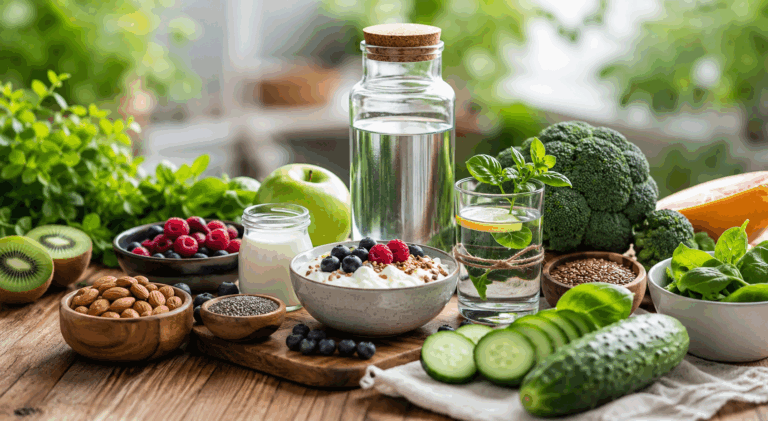
A basic rule is not to skip meals in the belief that you will recover faster. On the contrary, you need to return to a healthy diet, starting again from at least 5 meals a day: breakfast, mid-morning snack, lunch, afternoon snack and dinner. Fiber can help: it is found in fruit and vegetables, but also in whole grains and nuts. Fiber helps the body get rid of the waste still left in it after overeating.
What to eat
Besides fiber-rich foods, it is important to eat properly. To eliminate waste, vegetable soups, creamed vegetable soups and vegetable purées are recommended. They can also be combined with brown rice and legume soups. Avoid seasoning with salt. To add flavor to soups, you could use Parmesan or Grana cheese, which have a higher amount of calcium and contain no lactose. Snacks, on the other hand, should be rich in protein. A yogurt with no added sugar is a good choice.
What to drink
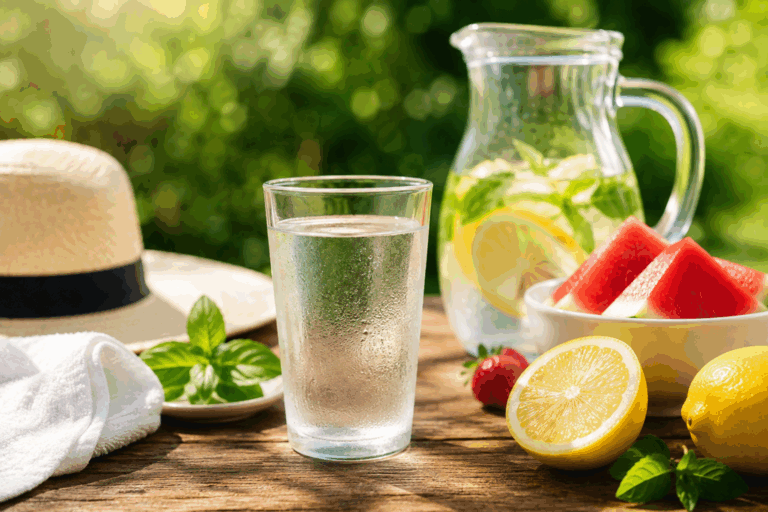
How do you recover from big meals that also include a lot of alcohol? At the end of the meal people drink bitters or liqueurs, which do not help digestion at all. Instead, you need to drink plenty of water. The body needs at least a liter and a half of water a day, which also helps digestion and makes stools softer. There are rules for drinking water too: most of the daily amount should be drunk between the main meals, that is, between breakfast and lunch and between lunch and dinner. This helps digestion and bowel movement, so that waste is eliminated. Tap water is fine too, but you can use natural low-mineral water, which promotes urine production. A ginger and lemon herbal tea, without sugar, can help.
What to do
After a big meal, avoid lying down on the couch or the bed. You will feel extremely tired, but you need to do things that help digestion. One of these is going for a walk. Just 15-20 minutes, even at a slow pace, is enough to help digestion. Walking also helps lower the blood sugar spike, restoring a proper level of sugar in the blood.
Get tested
After the Christmas holiday period, it is a good idea to have some tests. Checking your values is a good habit, so that you can get back to everyday life without problems. At NefrocenterLab you can have all the urine and blood tests to check your state of health.