Childhood obesity and diabetes risk: Nefrocenter’s advice on prevention
Childhood obesity and diabetes risk, a very widespread problem in Italy. Nefrocenter's advice on nutrition education and prevention
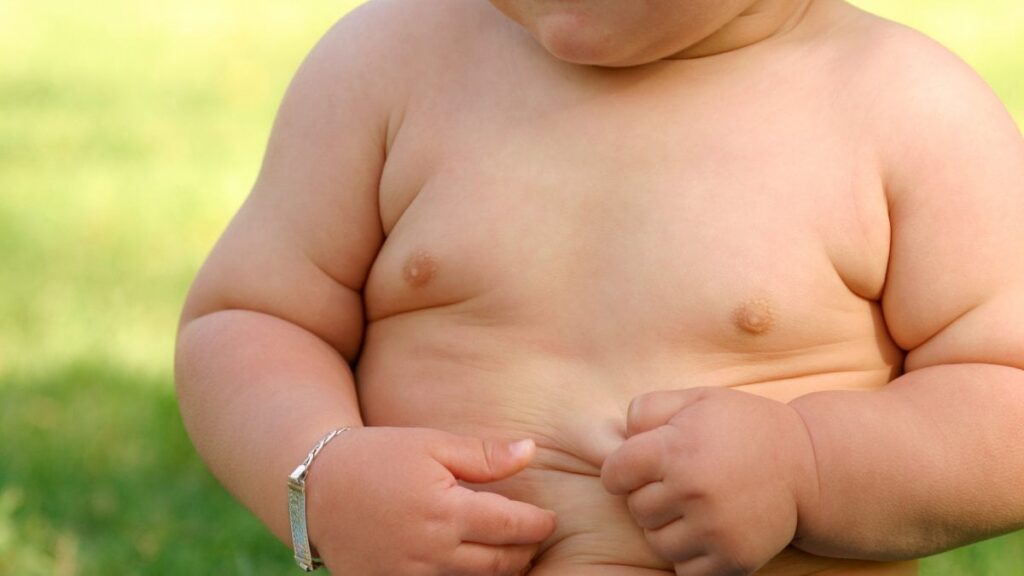
Childhood obesity, a very widespread problem in Italy. Nefrocenter’s advice on nutrition education and prevention
Italy is one of the countries where the problem of childhood obesity is most widespread. According to research by the Italian National Institute of Health (Istituto Superiore di Sanità), the percentage of boys and girls who are overweight exceeds 20%. The percentage of children with obesity is also high (about 10%), while those with severe obesity exceed 2%.
The difference between overweight and obese
An initial distinction must be made between overweight and obese, which concerns the severity of the problem. For adults the distinction is made according to the so-called “body mass index”. This is the ratio between weight and height and is calculated by dividing the weight in kg by the square of the height in meters. If the BMI is over 25 we speak of overweight; if it is over 30 we speak of obesity.
For children, the reference is instead the percentile growth chart used by pediatricians. Above the 85th percentile we speak of overweight; above the 97th there is obesity.
Factors and triggers of childhood obesity
Research has linked childhood obesity to a series of factors that can favor it. A lack of adequate physical activity, a sedentary lifestyle due to excessive use of TV and devices, an insufficient number of hours of sleep.
Poor eating habits also have a considerable impact, due to the timing and distribution of meals as well as the consumption of particular foods. In addition to these elements, there is also a family history factor. If a child has two parents with obesity, the chances that he or she may have the same problem are very high.
There are, however, other causes that, in a smaller percentage of all cases, can be at the root of childhood obesity. First of all, certain genetic syndromes. Hormonal disorders, which are in any case very rare in children. Drug treatments such as those based on cortisone, given for long periods.
The risk of diabetes
Recent studies on childhood obesity have found a link with the increase in type 2 diabetes in this age group. Until a few years ago, this disease was found only in very rare cases under the age of 18. According to researchers, obesity in childhood and adolescence can increase the risk of changes in glucose metabolism. And therefore the possibility of developing type 2 diabetes in later years.
Eating habits
Proper nutrition education is a fundamental tool for preventing and treating obesity in childhood. It is not a true diet protocol, but rather dietary advice aimed at eliminating the risk of obesity.
The starting point is five meals a day, across which to distribute proteins, minerals, vitamins, carbohydrates, fats and fiber. So, in addition to breakfast, lunch and dinner, nutritionists also stress the importance of mid-morning and mid-afternoon snacks. They prevent too many hours from passing between one meal and the next, keeping the level of hunger low. And this prevents overeating at the next meal.
Below is the advice of the Nefrocenter diabetes centers for a healthy diet.
Breakfast
It plays a very important role in meeting daily energy needs. Also and especially in children. According to nutritionists, it must contain all the nutrients. With this in mind, it is possible to eat bread with honey or jam. Alternatively baked goods, rusks, cereal or cookies. Together with milk or low-fat yogurt or fresh fruit.
The mid-morning snack
It is also a short break from activities for those who, for example, attend daycare or school. Light, quickly digestible foods are preferred, and therefore with few calories, little fat and little sugar.
Lunch
In many circumstances it is neglected, often because of snacks that are too large. But it is the most important meal of the day. A complete, adequate lunch can include a first course, a main course, a side dish of raw or cooked vegetables and bread. A one-dish meal can also be fine, accompanied by bread and raw or cooked vegetables.
The afternoon snack
In this case too, it can be a break from activities. Like the morning snack, it should not be too high in calories, and therefore easy and quick to digest.
Dinner
On an “emotional” level, it can be the family’s moment of sharing par excellence. Carbohydrates and proteins are the nutrients that an adequate dinner must contain. As it is the meal that closes the day, it must contain digestible ingredients to promote better sleep.